Small Apartment Bedroom Ideas for a Bigger Space
When you’re trying to design a small apartment bedroom, it really all comes down to two things: smart planning and even smarter furniture. It starts with breaking out the tape measure and sketching out a floor plan so you can play with layouts before you start hauling furniture around. Think of this plan as your roadmap—it’ll guide every decision you make, from the type of bed you choose to where the lamps go.
Your Blueprint for a Bigger Feeling Bedroom
Making a cramped bedroom feel spacious isn’t about magic; it’s about being strategic with the space you’ve got. Before you even think about paint swatches or browsing for furniture, the single most important thing you can do is create a solid plan. This first phase is all about getting to know your room’s exact dimensions and quirks. It’s the foundation for every good design choice you’ll make later.
Taking the time to do this upfront saves you from that classic, frustrating mistake: buying a piece of furniture you love, only to get it home and realize it completely overwhelms the room or blocks the closet door. It’s the difference between a bedroom that feels intentionally designed and one that feels accidentally cluttered. You wouldn’t start a road trip without a map, right? Same principle.
Start with Accurate Measurements
First things first, you need to measure everything. Grab a tape measure and a notebook (or just the notes app on your phone) and get to it. Don’t just get the basic length and width—you need to capture every little detail that could throw a wrench in your plans.
- Wall Dimensions: Measure each wall from corner to corner.
- Ceiling Height: You need to know your vertical space, especially if you’re considering tall bookshelves or loft beds.
- Windows and Doors: Note the width and height of each one, and just as importantly, how much space they need to swing open. Measure how far they are from the corners, too.
- Outlets and Switches: Jot down where every single power outlet, light switch, and vent is. You really don’t want your new bed to block the only good spot to charge your phone.
- Architectural Features: Got a weird radiator, some built-in shelves, or an awkward nook? Document them. You’ll have to work around them.
Pro Tip: After you’ve measured, snap a quick photo of each wall. Having that visual reference to go along with your numbers is a lifesaver when you’re trying to remember details later on.
Sketching Your First Floor Plan
Once you have your measurements, it’s time to map it all out. You don’t need to be an architect. A simple piece of graph paper and a pencil will do the trick. Just decide on a scale—maybe one square equals 6 inches—and draw the outline of your room.
After you’ve got the room’s shape down, add the permanent fixtures like doors, windows, and that pesky radiator. Now for the fun part: cut out little paper shapes to scale that represent the furniture you want. This low-tech trick lets you physically move your “furniture” around the “room” to test drive different layouts without breaking a sweat. You can instantly see if that queen bed really is better on the far wall or if a dresser is going to make opening the closet impossible.
The Value of a Strategic Layout
This planning stage is where you really start to see the potential of your space. A smart layout can carve out different zones even in the tiniest room.
Maybe you need a small work-from-home corner or a dedicated spot to get ready in the morning. Lightweight solutions, like some freestanding room dividers, can create those boundaries without making the room feel closed off.
Taking the time to plan properly ensures your bedroom isn’t just a place where you sleep—it’s a functional, relaxing space that’s built around how you actually live.
The Ultimate Guide to Space Saving Beds
In a small apartment bedroom, your bed isn’t just a place to sleep—it’s the main event. It commands the space, dictating how you move around, where you can put things, and the overall vibe of the room. Picking the right one is probably the single most important decision you’ll make. A smart choice can transform a cramped corner into a surprisingly functional and airy retreat. The goal isn’t just to find a bed that fits, but one that actively creates more usable space.
A bed that does more than one job is a game-changer—especially when you’re trying to keep the room open, organized, and easy to move through.
The Magic of Murphy Beds and Wall Beds
When floor space is the ultimate luxury, nothing beats a Murphy bed (also known as a wall bed). These are the undisputed champions of small-space living, letting you reclaim an entire room’s worth of floor during the day. And forget those clunky, scary contraptions from old movies; today’s designs are sleek, safe, and incredibly easy to operate.
Imagine your bedroom transforming into a home office, a yoga studio, or just a spacious lounge area in a matter of seconds. That’s what a wall bed can do for you. They’re perfect for:
- Studio Apartments: A wall bed lets you create a true multi-functional living area without giving up the comfort of a real mattress.
- Guest Rooms: Turn that home office or craft room into a comfortable guest suite whenever you have visitors.
- Kids’ Rooms: Free up tons of valuable floor space for playtime by just lifting the bed out of the way.
Modern systems often come with cool integrated features like built-in desks, shelving, or even sofas that appear when the bed is folded up. Futonland’s collection of high-quality wall beds shows just how versatile these pieces can be, offering everything from simple vertical-fold beds to complete wall units that blend right into your decor.
Cabinet Beds: A Compact Alternative
Think of a cabinet bed as the Murphy bed’s clever little cousin. It gives you a comfortable, pull-out bed (often a queen size!) that folds away neatly into a stylish, freestanding cabinet. The biggest plus? No wall installation is required. This makes it a fantastic option for renters or anyone who doesn’t want to make permanent changes to their space.
When it’s closed, the cabinet is usually about 40 inches high and can double as a TV stand or a console table. The top surface is deep enough to hold a large screen and some decor. This dual-purpose design makes it an incredibly efficient piece for anyone needing an extra bed without dedicating an entire room to it.
Real-World Scenario: Picture a one-bedroom apartment where you love having guests. A cabinet bed in the living room offers them a premium sleeping experience without the hassle of an air mattress. By day, it’s just a handsome piece of furniture.
The Power of Platform Beds with Storage
If you need your bed to be a permanent fixture but still want to squeeze every bit of utility out of it, a storage bed is your best friend. These beds cleverly use the entire space under the mattress—an area that’s usually just a dust bunny convention—for integrated storage.
You’ve got two main options here:
- Beds with Drawers: These feature large, built-in drawers on the sides or at the foot of the bed frame. They’re perfect for storing clothes, linens, and shoes, essentially acting as a built-in dresser and freeing up that floor space.
- Lift-Up Beds (Ottoman Beds): These designs use a hydraulic mechanism that lets you lift the entire mattress base, revealing a massive, open storage compartment underneath. This is the spot for stashing bulky items like luggage, seasonal bedding, or sports gear.
Deciding between them often comes down to your room’s layout. If you don’t have much clearance on the sides of your bed, a lift-up design is more practical. If you want quick access to everyday items, drawers are the way to go. Either way, you’re turning your bed into an organizational powerhouse.
Comparing Top Space Saving Bed Solutions
Choosing the right bed can feel overwhelming with so many great options out there. This table breaks down the key features of each type to help you find the perfect match for your space, lifestyle, and budget.
| Bed Type | Best For | Space-Saving Feature | Typical Price Range | Futonland Example |
|---|---|---|---|---|
| Murphy/Wall Bed | Studio apartments, multi-use rooms (office/guest room) | Folds vertically into the wall, freeing up entire floor | $5,000+ | Rochester Wall Bed |
| Cabinet Bed | Renters, living rooms, spaces where wall mounting isn’t an option | Folds into a stylish, freestanding cabinet; no installation | $2,000 – $4,000 | Clover Cabinet Bed |
| Storage Bed (Drawers) | Bedrooms needing extra clothing/linen storage | Built-in drawers replace the need for a separate dresser | $500 – $2,500 | Platform Beds with Drawers |
| Storage Bed (Lift-Up) | Storing bulky, seasonal items (e.g., luggage, winter coats) | Hydraulic lift reveals a large, open compartment | $600 – $3,000 | Storage Platform Beds |
Each of these solutions offers a unique way to tackle the challenge of a small bedroom. By weighing the pros and cons, you can select a bed that not only fits your room but enhances it, making your space more organized, functional, and enjoyable to live in.
Mastering Small Bedroom Storage and Organization
Clutter is the ultimate enemy of a serene, spacious-feeling bedroom. When every square foot is prime real estate, your belongings are all competing for space. Without a smart plan, chaos can take over pretty quickly.
Winning this battle isn’t about owning less—it’s about storing what you have with intelligence and intention. This is where clever organization becomes one of the most powerful small apartment bedroom ideas you can bring to life.
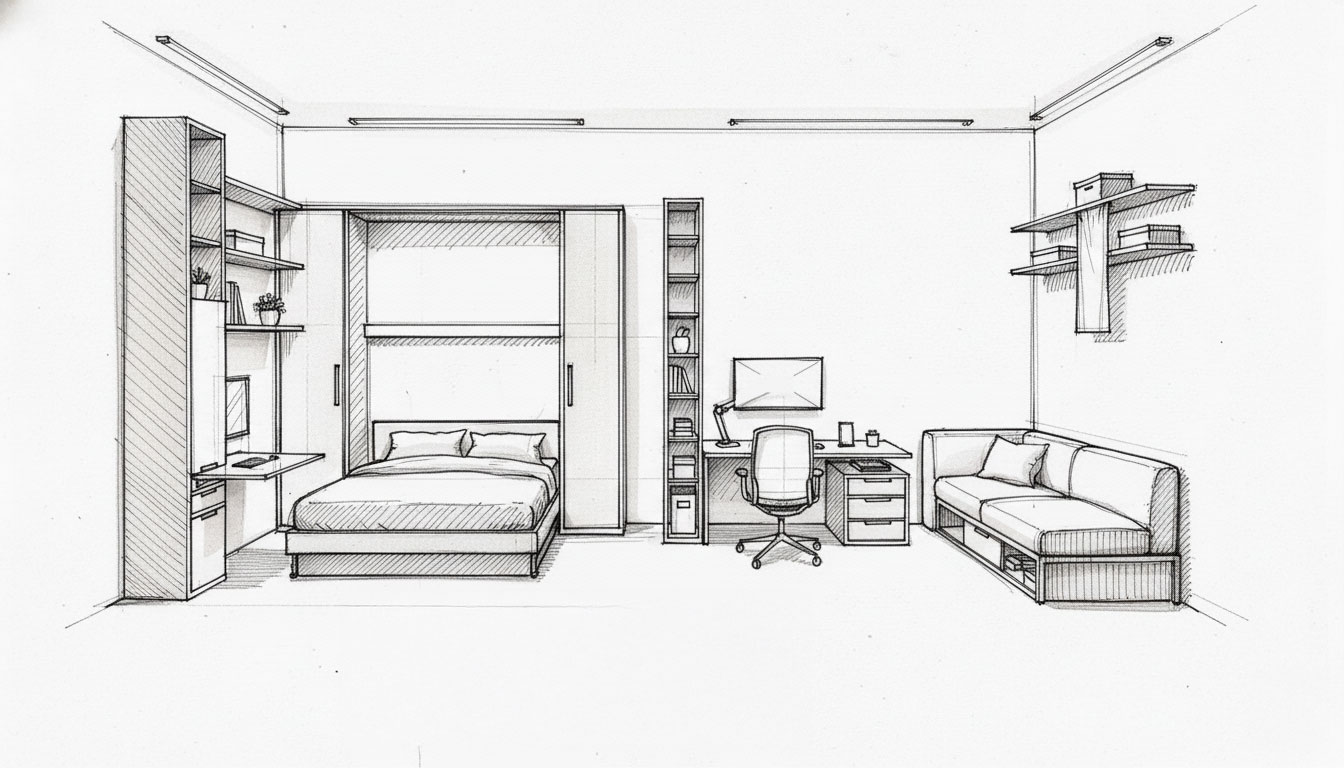
The key is to change your perspective. Stop looking at just the floor and start seeing the potential in every overlooked nook, cranny, and vertical surface. This approach transforms your room from a simple container for stuff into a highly efficient system for living.
Think Vertically to Reclaim Your Floor
When the floor is full, the only way to go is up. Drawing the eye upward not only creates an illusion of height and space but also unlocks a massive amount of storage potential most people completely ignore.
- Tall, Slim Bookcases: A tall, narrow bookcase gives you a ton of storage without eating up much floor space. Use it for books, sure, but also for folded clothes, accessories tucked into decorative boxes, or even a few small plants to liven up the room.
- Wall-Mounted Shelving: Floating shelves are a small room’s best friend. You can install a series above your dresser, desk, or even your headboard to get items off surfaces and onto the walls. It’s the perfect spot for personal mementos, art, and things you want to display without adding clutter.
By using your walls effectively, you free up precious floor space, which instantly makes the room feel larger and less constricted. It’s a simple strategy that creates a more breathable environment where you can actually move around.
Discover Hidden Storage Opportunities
Some of the best storage solutions are the ones you can’t even see. A hallmark of brilliant small-space design is integrating storage into existing furniture or making use of awkward, empty spaces. It’s all about finding dual-purpose pieces that work harder for you.
Key Takeaway: In a small bedroom, every piece of furniture should have more than one job. If it only does one thing, it’s taking up too much space. A bed should also store, a seat should also hide things, and a surface should also organize.
One of the biggest—and most underused—storage areas is right under your bed. This huge, hidden expanse is perfect for stowing away items you don’t need every day, like seasonal clothing, extra linens, or shoes.
While simple rolling containers can do the trick, a truly integrated solution makes all the difference. Futonland’s versatile futon bed storage drawers are designed to fit perfectly under many platform bed frames, turning that dead space into a functional, easy-to-access dresser.
Maximize Your Closet and Conceal Clutter
Even a tiny closet can become an organizational powerhouse with the right tools. Don’t just settle for a single rod and a high shelf. A well-organized closet means you won’t need bulky dressers taking up precious floor space in the main bedroom area.
Here’s how to get the most out of your closet:
- Add a Second Rod: Doubling your hanging space is the easiest and most impactful closet hack there is.
- Use Slim Hangers: You’d be surprised how much rod space you can save by switching from bulky plastic or wood hangers to slim velvet ones.
- Incorporate Shelf Dividers: Keep those stacks of sweaters or jeans from toppling over with simple dividers that slide onto existing shelves.
- Utilize the Door: An over-the-door organizer is perfect for shoes, scarves, belts, or toiletries, keeping them visible but out of the way.
For the items that do remain out in the open, use stylish containers to your advantage. Woven baskets, sleek decorative boxes, and fabric bins can corral loose items on shelves or on top of dressers. This technique doesn’t just hide clutter; it turns your storage into a deliberate part of your room’s decor, adding texture and a sense of polished order. This small step makes a huge difference in creating a calm and cohesive feel.
How Color and Light Create the Illusion of Space
The four walls of your bedroom might be fixed, but how big the room feels? That’s surprisingly flexible. This is where you get to play magician, using color and light as your wands to visually push back walls and turn a cramped space into an airy retreat.
It’s an old myth that you’re stuck with stark white in a small room. Sure, white is a classic for a reason—it’s a fantastic light reflector—but it’s definitely not your only option. The real trick is understanding how to pair the right hues with smart lighting to fool the eye.
More Than Just White Paint
Picking a color for a small bedroom isn’t just about finding a single shade you like; it’s about creating a color story. You want a palette that makes the space feel cohesive and expansive, not choppy and small.
Soft neutrals are a brilliant place to start. Think about pale greys, warm beiges, or even a muted sage green. These colors have a naturally calming vibe and create a backdrop that doesn’t scream for attention. They bounce light around beautifully without the cold, clinical feel that sometimes comes with pure white.
A monochromatic scheme is another powerhouse technique. This just means using different tones and shades of the same color. Imagine pairing soft gray walls with a headboard that’s a few shades darker and bedding that’s a touch lighter. This creates a layered, sophisticated look that adds depth without the jarring contrasts that can visually shrink a room.
Pro Tip: Try painting your trim and even the ceiling the same color as the walls, or just one shade lighter. This move blurs the boundaries of the room, making the ceiling feel higher and the walls seem to stretch out.
The Power of Layered Lighting
One of the biggest design mistakes you can make in a small bedroom is relying on a single, harsh overhead light. It kills the mood, casts weird shadows in the corners, and makes everything feel flat and uninviting. The fix is layered lighting. This simply means using multiple light sources to build a balanced, warm, and functional atmosphere.
Think of your lighting in three simple layers:
- Ambient Lighting: This is your main light source, like a sleek flush-mount ceiling fixture. Its job is to provide general, even illumination across the whole room.
- Task Lighting: This is your focused, get-it-done light. A wall sconce next to the bed for reading or a small desk lamp are perfect examples. They add function without eating up precious floor or surface space.
- Accent Lighting: This final layer adds the warmth and personality. A slim floor lamp can draw the eye upward, making the room feel taller, while a tiny lamp on a dresser creates a cozy glow.
By combining these three, you banish dark corners and create a dynamic space that feels much larger and more intentionally designed. The play between light and shadow adds a depth that a single bulb just can’t match.
Using Mirrors to Magnify Space
If there’s one secret weapon in small-space design, it’s the mirror. Mirrors are masters of illusion, capable of literally doubling the perceived size of your room by reflecting both light and the view. Strategic placement is everything.
Try to position a large mirror directly across from a window. This is the oldest trick in the book for a reason: it captures all that natural light and bounces it around the room, instantly making the space feel brighter and more open. Plus, it reflects the view outside, creating a sense of depth.
And don’t be shy about size. A big floor mirror leaned against a wall makes a dramatic statement and has a massive space-expanding effect. If that’s not your style, a curated collection of smaller, decorative mirrors can act as a piece of wall art that also serves a very practical purpose. The reflective surfaces break up a solid wall, making it feel less like a box.
Create Boundaries with Furniture and Rugs
One of the easiest ways to create a “zone” is with the furniture you probably already own. A well-placed piece can visually separate your sleeping area from a small workspace, creating a soft, effective divider.
- Open Bookshelves: A low, open-backed bookshelf is perfect for this job. It establishes a clear boundary without blocking light or sightlines, which is crucial for keeping a small room feeling airy. Try placing one at the foot of your bed to carve out a tiny seating or work area on the other side.
- A Strategic Desk: Sometimes, it’s as simple as turning your desk so your back is to the bed. This creates a powerful psychological separation between “work mode” and “rest mode.”
Another powerhouse tool is the humble area rug. Putting a small, distinct rug under your desk and chair instantly defines a work zone. By the same token, a cozy, plush rug in a corner with an armchair carves out a dedicated reading nook. The change in texture under your feet is a subtle but surprisingly powerful signal that you’ve entered a new space.
Define Zones with Color and Lighting
Paint is another brilliant way to zone your room without taking up any floor space. Painting a nook or a single accent wall behind your desk in a different, complementary color is a fantastic way to designate a specific area. You can even paint a soft arch of color behind your headboard to define the sleeping zone, making it feel like a special sanctuary.
Lighting plays a massive role, too.
Key Takeaway: Different activities require different types of light. Using distinct lighting for each zone not only improves functionality but also reinforces the separation between them.
A focused task lamp on your desk clearly signals “work time,” while a soft, warm floor lamp next to a comfy chair creates an inviting glow that’s perfect for winding down with a book. Bedside sconces provide targeted light for reading in bed without flooding the entire room, helping to keep the rest of the space in “sleep mode.”
Style with Purpose, Not Clutter
The final layer of zoning is all in the styling. Once your areas are defined, the finishing touches are what bring them to life and infuse your personality without adding clutter. The key here is to be intentional. Choose items that are both beautiful and functional.
Here are a few ideas for adding character without creating chaos:
- One Impactful Piece of Art: Instead of a gallery wall cluttered with small items, which can make a space feel busy, go for one larger piece of art to create a focal point within a zone.
- Add Greenery: A tall, slender plant tucked into a corner can define the edge of a zone while adding life and a welcome pop of natural color.
- Use Textiles for Texture: A chunky knit throw draped over your reading chair or a few unique throw pillows on the bed can add warmth, color, and personality. These small touches make a huge impact and help solidify the feeling of distinct, cozy spaces within your bedroom.
Your Small Bedroom Transformation Checklist
Seeing your vision come to life is always a process, but having a clear roadmap can make all the difference. Think of this as your game plan. We’ve pulled together all the key small apartment bedroom ideas we’ve covered and turned them into a simple, actionable guide.
Follow these steps to keep your project on track, from the very first measurement to the final, stylish touches that make it feel like home.
Nail Down the Planning and Prep Work
The foundation of any great small bedroom is a rock-solid plan. It’s tempting to jump straight to the fun stuff, but trust me, getting this part right will save you a world of headaches later on and help you make much smarter decisions.
- Measure Everything (Twice!): Get out your tape measure and record the room’s dimensions. You’ll need the wall lengths, ceiling height, and the exact size and placement of windows, doors, and electrical outlets. No detail is too small.
- Draft a Floor Plan: You don’t need fancy software. You can sketch your layout to scale on graph paper or use a simple design app to play around with furniture placement virtually. This is where you’ll see what actually fits.
- Define Your Zones: Does your bedroom also need to be a home office, a reading nook, or a spot to get ready? Decide where these different “zones” will live before you start buying furniture.
Be Smart About Furniture and Storage
Your furniture choices will make or break the functionality of the room. The goal here isn’t just to find pieces that fit, but to select pieces that work hard and maximize every single inch of your space.
In a small bedroom, the right furniture doesn’t just fit—it actually creates space. Always look for multi-functional pieces that serve more than one purpose to keep your room feeling open and uncluttered.
- Choose a Space-Saving Bed: This is your biggest piece, so it needs to be clever. A Murphy bed is a fantastic way to completely free up your floor space. A cabinet bed offers similar flexibility, while a platform bed with built-in storage drawers can eliminate the need for a bulky dresser.
- Go Vertical with Storage: Use the walls! Tall, narrow bookcases and wall-mounted shelves draw the eye upward, creating a sense of height and getting clutter off the floor.
- Find Those Hidden Spaces: Think about all that unused real estate. Under-bed storage bins are a must, and furniture like storage ottomans offer a place to sit and a spot to stash extra blankets or books.
Perfect the Style and Atmosphere
This is the fun part—where you inject your personality and make the space truly feel like yours. With a few visual tricks, you can make the room feel significantly larger without adding a single square foot.
- Pick a Light Color Palette: Stick with soft neutrals, pastels, or a monochromatic scheme. Lighter colors reflect light and make any room feel more open and airy.
- Layer Your Lighting: A single overhead light is a small room’s worst enemy. Combine ambient lighting (like a ceiling fixture), task lighting (a bedside lamp), and accent lighting (a small spotlight on art) to eliminate dark corners and create a sense of depth.
- Hang a Large Mirror: This is one of the oldest tricks in the book for a reason. Placing a large mirror opposite a window will bounce light all around the room, creating an instant illusion of more space.
To help you stay organized from start to finish, we’ve put all these steps into a handy checklist.
Small Bedroom Planning Checklist
This checklist breaks down the entire redesign process into manageable phases and actions. Follow it step-by-step to ensure nothing gets missed.
| Phase | Action Item | Key Consideration |
|---|---|---|
| 1. Discovery & Measurement | Measure the room’s dimensions and architectural features. | Accuracy is critical. Measure walls, windows, doors, and outlet locations. |
| Take “before” photos and note existing pain points. | What isn’t working right now? What do you absolutely need to change? | |
| 2. Layout & Zoning | Sketch a to-scale floor plan of the empty room. | Use graph paper or a simple app. |
| Define functional zones (sleep, work, relax). | Where will each activity happen? Plan furniture placement accordingly. | |
| 3. Furniture Selection | Choose a primary space-saving bed (Murphy, cabinet, storage). | Consider how you use the room daily. Do you need the floor space? |
| Select vertical and multi-functional storage pieces. | Think tall bookcases, wall shelves, and storage ottomans. | |
| 4. Color & Lighting | Finalize a light, airy color palette for walls and textiles. | Get paint swatches and test them in your room’s natural light. |
| Plan a layered lighting scheme (ambient, task, accent). | Ensure every corner of the room is well-lit to feel larger. | |
| 5. Storage & Organization | Implement under-bed and in-closet organization systems. | Maximize every hidden nook for a clutter-free look. |
| Declutter and purge items that don’t belong in the bedroom. | Be ruthless! A small space demands minimalism. | |
| 6. Styling & Final Touches | Hang mirrors and artwork strategically. | A large mirror can visually double the size of the room. |
| Add textiles like rugs, curtains, and throw pillows. | These final layers add personality, texture, and comfort. |
Working through this checklist will help you tackle the project methodically, turning what can feel like an overwhelming task into a series of simple, achievable steps.
Your Small Bedroom Questions, Answered
Even with the best plans, a few tricky questions always pop up when you’re designing a small bedroom. Getting these final details right is what separates a room that works from a room that you truly love. Let’s tackle some of the most common challenges people run into.
What Is the Best Color to Paint a Small Bedroom to Make It Look Bigger?
You can never go wrong with light and neutral colors. Think off-white, soft grays, and muted pastels. These shades are champions at reflecting light, which instantly makes a room feel more open and airy.
If you want something with a bit more personality, try a monochromatic look. Using different shades and tints of the same color adds a surprising amount of depth without making the space feel busy or overwhelmed.
Pro Tip: Paint the ceiling a shade or two lighter than the walls. It’s a classic designer trick for a reason—it draws your eyes upward, creating a powerful illusion of height that keeps the room from feeling boxed in.
Can I Fit a Queen Bed in a Small Bedroom?
Absolutely. It just takes a little strategic thinking. A standard queen mattress is 60×80 inches, so the key is to ensure you still have at least 24 inches of walking space around the bed. To pull this off, look for a bed frame with a minimal footprint, like a simple platform bed that doesn’t have a bulky headboard or footboard eating up valuable inches.
For the ultimate space-saving maneuver, a Murphy bed or cabinet bed is your best bet. You get the full comfort of a queen mattress when you need it for sleep, but during the day, you can fold it away and reclaim all that floor space. It’s the perfect compromise between comfort and function.
How Can I Add Personality Without Making It Feel Cluttered?
The secret is to focus on a few high-impact items rather than a lot of small trinkets. Instead of a gallery wall of tiny pictures, hang one large, compelling piece of art to create a clear focal point.
Textiles are also your friend here. A throw blanket with a unique texture or a couple of bold pillows can inject a ton of character without taking up any extra room. Wall-mounted shelves are fantastic for displaying a few cherished items without sacrificing floor space, and a well-placed plant or two will always bring a touch of life and color to a room without adding to the clutter.
Ready to put these ideas into action? Explore the incredible collection of Murphy beds, cabinet beds, and smart storage platforms at Futonland. Our team is here to help you find the perfect pieces to create a bedroom that’s as functional as it is beautiful. Start designing your dream space today.