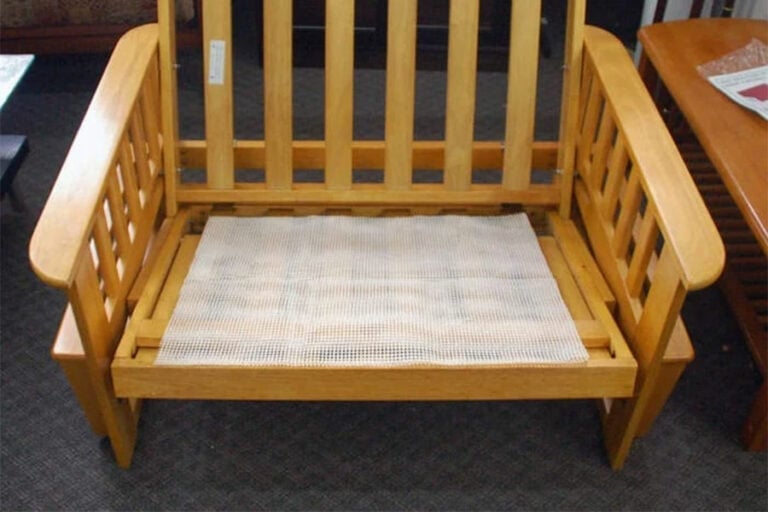

Futon Used Buying Guide: How to Spot a Good One
You’ve found a used futon that looks perfect in the listing photos. The wood frame appears sturdy, the price is attractive, and the seller says it “just needs a quick clean.” That phrase is where many buyers get into trouble. A futon can look inexpensive at checkout and become costly after you add replacement hardware, professional cleaning, a new cover, delivery, or a mattress that no longer supports your back.
A smart used futon purchase is a total-cost decision, not a hunt for the lowest sticker price. Inspect the frame, mechanisms, mattress, odor, hygiene, dimensions, and missing parts before you commit. The right secondhand piece can deliver practical seating and sleeping space for less money, but only when its condition is verifiable.
Where to Find a Quality Used Futon
The safest place to start is a secondhand furniture store or consignment shop. Staff can usually let you unfold the futon, operate the mechanism, and inspect the mattress before payment. That access matters more than a slightly lower online price because many defects only appear when the frame moves or the mattress is compressed.
For local inventory, check furniture resale shops and Futonland store locations alongside Facebook Marketplace, Craigslist, OfferUp, and AptDeco. Online marketplaces offer broader selection and often lower asking prices, but you’ll need to do the inspection work yourself. Ask the seller for the following before arranging a visit:
- Complete photos: request images of the full frame, mattress top and underside, cover, slats, hardware, and conversion mechanism.
- Basic history: ask for the brand, approximate age, mattress origin, reason for selling, and whether pets or smokers used it.
- Mechanism details: ask whether the frame converts smoothly into sofa, reclined, and flat positions.
- Included parts: confirm that legs, bolts, pins, deck components, and assembly pieces are present.
A seller who openly identifies the frame brand and mattress source is generally easier to evaluate than someone who provides only a dim corner photo and “moving sale” as the description. Transparency doesn’t prove quality, but evasiveness makes a hidden problem more likely.
Good sources for complete sets
Estate sales can produce unusually complete purchases because the frame, mattress, cover, and accessories often remain together. College-town listings can also be productive around student move periods, when people need to clear compact furniture quickly. Thrift stores may work for a tight budget, though they often provide less information about mattress history.
Practical rule: Never pay for a used futon you haven’t seen in every position.
Avoid curbside pieces unless you’re buying only for salvage and understand the risks. Treat flea-market stalls and online sellers without return policies cautiously, particularly when they refuse to show the mattress underside or mechanism. Arrange a quick inspection in daylight, bring a tape measure and flashlight, and agree that payment happens only after you’ve tested the unit.

Inspecting the Frame and Mechanisms
A strong frame can justify buying a used futon even when the mattress needs replacement. A tired frame can turn a cheap mattress into a poor purchase, because loose joints and bent mechanisms create noise, instability, and uneven support.
Begin with the frame material. Solid hardwood such as oak, maple, or ash generally gives you a better repair base than softwood or particleboard. Look closely at corners, side rails, arms, and the deck. Gently rock the frame from side to side, then lift one corner and set it down. Movement at a joint, a clicking bolt, or a visible gap deserves attention.
Test the conversion under load
Operate the futon yourself rather than watching the seller do it. Move it from upright sofa position to recline and then fully flat. A healthy mechanism should move deliberately without grinding, catching, sudden drops, or excessive force. Grinding can point to worn contact points, while catching may indicate bent bars, damaged teeth, or misalignment.
Sit in several areas while the frame is flat. A frame that feels stable when empty but twists under body weight may have weakened joints or missing support. Check the underside for missing slats, cracked deck boards, patched breaks, and improvised repairs. Missing slats can create mattress sag even when the mattress itself seems acceptable.
Inspect every bolt, dowel, hinge, latch, and washer. Stripped screw holes may be repairable, but they should reduce the offer because repair requires tools, time, and sometimes replacement hardware. Make sure matching hardware is installed across both sides. A mixed collection of bolts often signals prior repairs or incomplete assembly.
Inspection habit: Open and close the futon slowly once, then repeat the movement at normal speed. Problems that stay hidden during a careful demonstration often appear during ordinary use.
Measure the interior opening rather than trusting the seller’s size description. Measure both the frame and mattress, then compare those dimensions with readily available futon mattress sizes. A nonstandard opening can turn a mattress replacement into a custom-order problem.
For replacement parts or a frame comparison, review available futon frames, but don’t assume a similar-looking model uses interchangeable hardware.

Inspecting the Mattress and Cover
The mattress is where a used futon purchase becomes a comfort and hygiene decision. A clean cover can conceal a compressed core, while a worn cover may make a structurally sound mattress look worse than it is. Unzip the cover whenever possible and inspect the interior instead of relying on surface appearance.
Run your palm slowly across the mattress. You’re looking for a hollowed center, soft valleys, hard ridges, clumps, or sections that don’t rebound after pressure. Sit and lie in several zones, including the center and edges. A mattress that feels even in one spot but collapses elsewhere has likely developed permanent wear.
Check stitching around handles, corners, and edge seams. Those areas take repeated pulling and often reveal how aggressively the mattress has been moved. Look for thin ticking, exposed batting, compressed foam, sagging polyester, and repairs that don’t hold the filling evenly.
Compare the core, not just the label
Different core materials age in different ways. Cotton can become lumpy and firm as batting compresses. Innersprings may creak or feel collapsed. Foam can develop permanent body impressions, while latex should remain springy rather than crumbly or brittle. None of these materials should be judged by age alone. Condition is the more useful measure.
| Core Type | What to Check | Warning Signs |
|---|---|---|
| Cotton | Even batting, tufting, surface resilience, and compression across zones | Lumps, hard areas, deep valleys, and uneven filling |
| Innerspring | Coil noise, edge support, and consistent response | Creaking, collapsed sections, exposed springs, and sagging edges |
| Foam | Recovery after pressure, core firmness, and body impression depth | Permanent depressions, crumbling material, and soft spots |
| Latex | Springy response, intact surface, and absence of deterioration | Crumbly areas, brittleness, odor that remains after airing |
Smoke, mildew, and pet odors deserve special caution. These smells can penetrate batting and foam, so laundering the outer cover may not solve the problem. If the odor returns after airing, treat the mattress as a replacement candidate rather than assuming a scented spray has fixed it.
Measure the mattress and confirm that it fits the frame without bunching or leaving unsupported gaps. Browse compatible futon mattresses before buying so you can estimate whether replacement is practical. A new cover can improve appearance, but it won’t restore a flattened core. A topper may soften a firm surface, yet it won’t correct a sagging mattress or contaminated interior.
Sanitizing and Refreshing a Used Futon
Cleaning a secondhand futon starts with separation. Remove the mattress, cover, pillows, and loose accessories from the frame so you can inspect each piece independently. Vacuum the frame joints, slat gaps, underside, and mechanism crevices using a narrow attachment. Dirt and debris often collect where the moving parts meet.
Wipe sealed wood and metal with a lightly damp cloth and an appropriate diluted disinfectant. Don’t saturate wooden rails, unfinished surfaces, hinges, or hardware. Excess moisture can swell wood, encourage mildew, and push grime deeper into joints. Always check that any cleaning product is actually rated safe for the specific fabric or finish before applying it to the cover.
Treat the textile components carefully
Launder a removable cover according to its care label. If the cover is fragile, heavily stained, or permanently odorous, replacement is often more sensible than repeated chemical treatment. You can review replacement options among futon covers, but confirm the mattress dimensions and closure style first.
For the mattress, begin with thorough vacuuming on all sides. Sprinkle baking soda over the surface, allow it to sit, and vacuum it away. This can reduce surface odor, but it won’t neutralize deep smoke, pet, or mildew contamination. Steam cleaning may help some upholstery materials, yet foam should never be soaked, and cotton requires complete drying to avoid trapped moisture.
Sun exposure can freshen suitable materials when the manufacturer’s care guidance allows it. Rotate the mattress so air reaches both sides, and place it somewhere clean and dry rather than directly on damp ground. Never seal or remake the futon while the mattress still feels cool or damp inside.

Use cedar blocks or a lavender sachet only after the underlying odor is gone. A fresh fitted sheet can improve the first impression, but it’s not a sanitation substitute. If mildew or smoke persists after cleaning and full drying, ask a professional upholstery cleaner whether the material can be treated safely. If they can’t confirm that the interior will be cleaned and dried, replace the mattress.
Pricing, Negotiating, and Arranging Pickup
Fair pricing starts with the replacement cost, not the seller’s original purchase price. Separate the value of the frame from the value of the mattress. A sturdy frame with tight joints and a smooth mechanism may retain practical value even when its mattress is finished. A worn mattress should contribute little to the offer, regardless of how attractive the fabric looks.
Use condition tiers rather than pretending there’s one universal used-futon price:
- Ready to use: clean, odor-free, structurally sound, complete, and smooth in every position.
- Usable with maintenance: minor cosmetic wear, light hardware work, or a cover that needs laundering.
- Frame-only value: reliable frame paired with a flattened, stained, or questionable mattress.
- Parts or salvage: cracked rails, missing mechanisms, severe odor, pest evidence, or incomplete hardware.
Point out each cost before making an offer. Mention a missing slat, loose bolt, replacement cover, professional cleaning, or mattress disposal. Bundle the mattress only when it passes your inspection. Otherwise, offer on the frame alone and explain that you’ll need to budget for a new sleep surface.
Negotiation principle: A fast pickup is useful to the seller, but it doesn’t erase repair costs. Offer convenience without paying for defects.
Arrange transport before you commit. A full-size wood frame usually needs a vehicle that can carry long rails and bulky folded sections, not just the mattress. Ask whether the seller will disassemble it, bring a socket set and labeled bags, and photograph the assembled hardware before removal. Keep every bolt, washer, pin, and bracket with the frame.
Wrap finished wood in moving blankets, but don’t tighten straps directly over delicate rails. For apartments or difficult stairways, compare local delivery apps with store pickup services. The cheapest purchase can become expensive if the frame is damaged during an improvised move.
Red Flags and When to Buy New Instead
Some used futons deserve a lower offer. Others deserve no offer at all. Walk away from cracked hardwood slats, stripped carriage bolts that won’t tighten, rusted click-clack mechanisms, severe frame twisting, and missing parts that the seller can’t identify. Cosmetic scratches are negotiable. Structural breaks are a different category.
The mattress should also have a clear exit threshold. Deep stains, persistent smoke or mildew odor, pest evidence, and a permanently collapsed center can make cleaning or refurbishment unreasonable. Don’t let a freshly washed cover distract you from an interior that still smells or compresses unevenly.
Compare the complete cost
Write down the purchase price, transport, hardware, cleaning supplies, professional service, replacement cover, and likely mattress cost. Add the value of your time, especially if you’ll disassemble, repair, sanitize, and reassemble the futon yourself. If the resulting total approaches the price of a new entry-level frame and mattress combination, the used option no longer offers a meaningful financial advantage.
Buy new when the futon will be your primary daily sleeper and you can’t verify the mattress history. New is also the safer route for shoppers with significant allergies, buyers who need warranty support, and households that can’t tolerate an uncertain sanitation outcome. Occasional guest use gives you more room to accept a frame-only purchase and add a new mattress.
Walk-away rule: If the seller refuses inspection, don’t negotiate harder. Leave.
Futonland offers inspected used inventory, new frame lines, and a trade-in program, so it’s one option to compare when you want an alternative to an unverified private listing. The broader secondhand furniture market has been growing steadily as more buyers look for verified-condition alternatives to unregulated private listings, which is exactly the trend this guide is meant to help you navigate â verified condition is worth paying for.
Smart Alternatives Worth Considering
Buying the whole futon used isn’t always the most efficient route. If the frame is solid hardwood, the joints are tight, and the mechanism operates cleanly, a frame-only purchase paired with a new mattress can eliminate the largest hygiene and comfort risk. This works especially well when the existing mattress is visibly flattened but the frame has years of useful life left.
The reverse is also true. A well-built heirloom frame may only need a replacement mattress or cover. Don’t discard a sound frame because the cushion is stained. Measure first, confirm the conversion style, and check whether the mattress thickness will allow the mechanism to close properly.
| Option | Best For | Upfront Cost | Lifespan | Risk Level |
|---|---|---|---|---|
| Used complete futon | Buyers prioritizing character and the lowest initial spend | Usually lower, but condition varies | Depends heavily on prior use | Higher |
| Used frame with new mattress | Buyers who can verify frame quality but want a clean sleep surface | Moderate | Frame and mattress age separately | Moderate |
| New futon | Daily sleepers needing warranty and predictable condition | Higher | More predictable | Lower |
| Hybrid or daybed | Tight rooms that need a different conversion or layout | Varies by design | Depends on components | Moderate |
Factory-fresh furniture removes the inspection uncertainty and typically provides clearer hardware and warranty support. Conversion hybrids and daybeds can also fit rooms where a traditional bi-fold frame blocks circulation or doesn’t match the required sleeping orientation. Restored vintage frames, rental staging pieces, and DIY kits serve different buyers, but each demands a different tolerance for customization and repair.
Used wins on upfront cost and character. New wins on sanitation certainty, lifespan predictability, and warranty support. Choose according to room dimensions, daily-use demands, and the work you’re willing to perform, not the listing price alone.
Start your search with a written total-cost limit, then inspect the frame, mattress, mechanism, and odor before making an offer. If a used futon passes those checks, arrange protected pickup and budget for any cleaning or replacement work immediately. If it fails, walk away and compare a frame-only purchase or a new complete setup instead of turning a bargain listing into an avoidable project.