Futon Latex Mattress Guide: Feel, Frame Fit & Durability
Your futon looked fine in the showroom. A few months later, it’s another story. The mattress has packed down where you sit, the sleep surface feels uneven, and every conversion from sofa to bed reminds you that “good enough” usually isn’t.
That’s the point where many buyers start looking at a futon latex mattress.
Latex isn’t the right answer for everyone. It costs more. It weighs more. On the wrong frame, it can be frustrating. But for buyers who want a natural material, stronger support, and a mattress that holds up far better than entry-level options, latex belongs on the short list.
The Search for a Futon Mattress That Lasts
Most futon disappointments follow the same pattern. The mattress feels acceptable at first, then starts to flatten where people sit most, especially in small apartments where the futon does daily sofa duty and frequent guest duty.
That’s why latex gets attention from serious buyers. Not because it’s trendy, but because it solves the exact problems that make many standard futons wear out early. It has a more resilient feel than basic cotton batting and a more stable feel than lower-grade foam that tends to show body impressions.
Why buyers move up to latex
People usually start considering latex after one of these issues:
- Seat compression: the center of the futon starts looking and feeling tired long before the frame does.
- Uneven sleep support: the mattress works as a couch but feels poor as a bed, or the reverse.
- Natural material concerns: some buyers want to avoid synthetic fills and move toward cotton, wool, and latex constructions.
- Replacement fatigue: buying a cheaper mattress again doesn’t feel cheaper when you keep doing it.
A futon latex mattress is a premium choice, but it’s premium in a practical way. You’re paying for a material that springs back better, handles repeated use more gracefully, and fits the needs of buyers who expect one piece of furniture to do two jobs.
A futon used every day needs a mattress chosen like a tool, not like an accessory.
What makes latex relevant for futons
| Priority | Why latex matters |
|---|---|
| Daily comfort | It feels responsive rather than flat or dead |
| Durability | It resists the early collapse that frustrates many futon owners |
| Natural construction | It appeals to shoppers avoiding all-synthetic builds |
If you’re furnishing a guest room that gets light use, latex may be more mattress than you need. If you’re sleeping on the futon regularly, or converting it often, the conversation changes fast.
What Exactly Is a Futon Latex Mattress
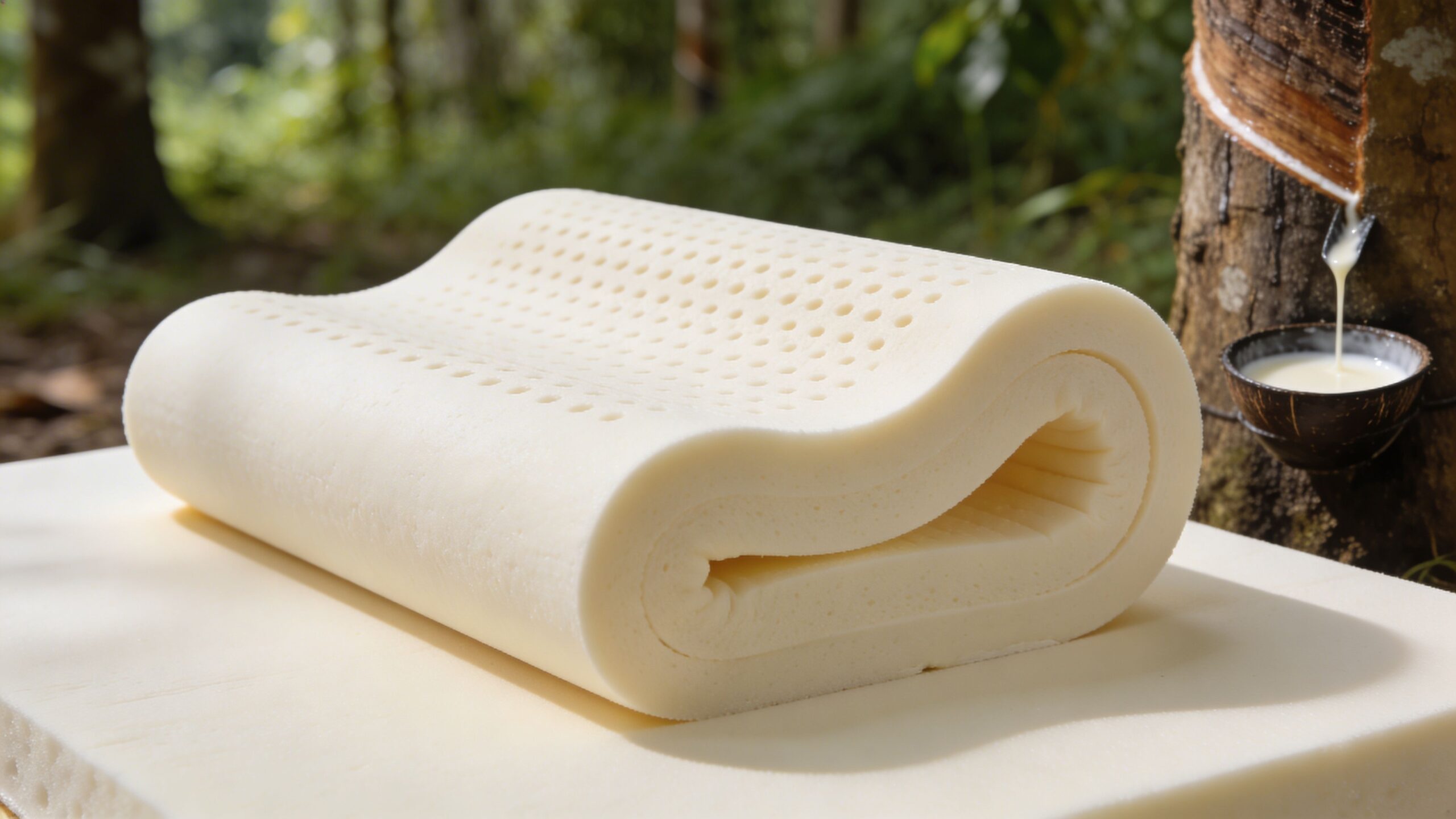
A futon latex mattress is a futon mattress that uses latex as a core layer or comfort component instead of relying only on cotton batting or synthetic foam. In better builds, the latex sits inside layers like cotton and wool, so the mattress still behaves like a futon rather than a standard non-folding bed mattress.
What latex feels like
The first thing you notice is the feel. Latex is responsive — you press into it and it pushes back quickly. It doesn’t have the delayed, melting feel associated with memory foam, and it doesn’t have the flat, packed-down feel of an older cotton futon.
That responsiveness matters on a futon because the mattress has to work in two positions. It has to feel supportive when you lie down, and it has to recover well after people sit in the same place over and over.
Understanding firmness: ILD
Latex firmness is often described using ILD (Indentation Load Deflection) — an industry measurement of how much a material resists being pressed. You don’t need to memorize the acronym, just what it tells you:
- Lower ILD: softer, more give at the surface.
- Higher ILD: firmer, more pushback and support.
- Layering matters: a futon can feel comfortable on top and still stay supportive underneath.
Manufacturers use layered latex builds — a firmer core under a softer comfort layer — to tune the feel without making the mattress mushy. If you’re comparing specific products, ask for the ILD rating of each layer rather than relying on marketing terms like “medium” or “plush,” since those labels aren’t standardized across brands.
Natural latex vs. synthetic latex
A common source of confusion for first-time buyers is the term itself. “Latex” on a product page doesn’t always mean the same thing.
Natural latex comes from rubber tree sap. It appeals to shoppers who want a more natural sleep material and want to avoid petroleum-based foam fills.
Synthetic latex is man-made. It can still be useful in some products, but it isn’t the same material story and it usually isn’t what a buyer means when asking for a natural futon mattress.
Blended latex mixes natural and synthetic components, which can affect feel, price, and how the mattress is positioned in the market.
If you’re shopping seriously, read the construction details, not just the headline. “Latex mattress” is too broad a phrase to buy from confidently.
Dunlop and Talalay
Two latex processing styles come up often. Dunlop latex is usually the denser, more grounded-feeling option — in futon use, that makes sense for support cores because futons need structure. Talalay latex is often chosen when a buyer wants a slightly lighter, more buoyant feel.
Both can work in a futon. The right choice depends on whether the mattress is built mainly for daily bed use, frequent sofa use, or a mix of both. Compare actual futon mattress options side by side, since layering details matter more than the label alone.
Practical rule: If the listing doesn’t clearly explain what kind of latex is used and where it sits in the build, keep asking questions.
Why latex appeals to natural-mattress buyers
Latex isn’t only about comfort. Buyers also choose it because it’s breathable, resistant to dust mites, and less hospitable to mold when the mattress is kept dry and aired properly. In a futon, where folding, sitting, and airflow all affect long-term performance, those traits matter more than they do on a static bed.
Latex vs. Foam vs. Cotton Futon Mattresses
Most futon shoppers aren’t deciding whether latex is good in the abstract. They’re deciding whether latex is worth buying instead of foam or cotton.
The answer depends on what bothers you most. If you hate a mattress that goes flat, latex stands out. If your budget is tight and the futon won’t get much use, cotton or foam may be enough. If the futon is your everyday seating and regular bed, the trade-offs become sharper.
| Feature | Latex Mattress | Foam Mattress | Cotton Mattress |
|---|---|---|---|
| Feel | Responsive, springy, supportive | Softer feel, often less responsive | Firm, traditional, flatter feel |
| Long-term shape | Holds shape well with quality construction | More likely to show impressions over time | Compresses and packs down with use |
| Breathability | Generally good | Often less breathable | Good airflow, but compression changes feel |
| Sofa use | Supportive for sitting if frame is strong enough | Comfortable at first, can lose structure | Firm seat feel, may become uneven |
| Bed use | Strong option for regular sleeping | Varies a lot by foam quality | Best for buyers who like a very firm surface |
| Weight | Heavier | Lighter | Moderate to heavy depending on build |
| Folding ease | Less flexible, frame pairing matters | Usually easier to fold | Often folds well, but compresses over time |
| Price position | Higher | Usually lower to mid-range | Lower to mid-range |
Where latex pulls ahead
Latex does two things especially well in futons. It supports weight without feeling dead, and it rebounds better after repeated sofa use — buyers often describe it as more “alive” than foam and less tiring over time than cotton-only builds.
For someone sleeping on the futon often, the biggest advantage is consistency. The mattress tends to keep a more even surface instead of developing the obvious sit spots and troughs that lead people to replace cheaper futons sooner than expected.
Where foam still makes sense
Foam isn’t automatically a bad choice. It’s often easier to fold, lighter to move, and simpler on a basic frame. If the futon lives in a guest room or office and only opens occasionally, a good foam-based mattress may be practical. Its weakness is long-term recovery — once lower-quality foam starts holding body impressions or soft spots, comfort drops quickly.
Why cotton still has loyal buyers
Cotton futons have a classic feel — firm, straightforward, often attractive to shoppers who want a traditional futon sleep surface without much sink. But cotton compresses. Some people are fine with that because they like an increasingly firm feel. Others read that compression as wear and end up unhappy.
The honest trade-off
Latex usually costs more because it performs differently. It’s not just another soft layer — it’s a denser, more resilient material that changes how the futon behaves both as a bed and as a sofa.
What doesn’t work is buying latex while expecting it to act like lightweight foam. It won’t. It feels heavier, more substantial, and less forgiving of weak frame hardware.
If your priority is the lowest purchase price, latex probably won’t win. If your priority is avoiding another disappointing mattress in a short time, it often does.
Will a Latex Mattress Work With Your Futon Frame
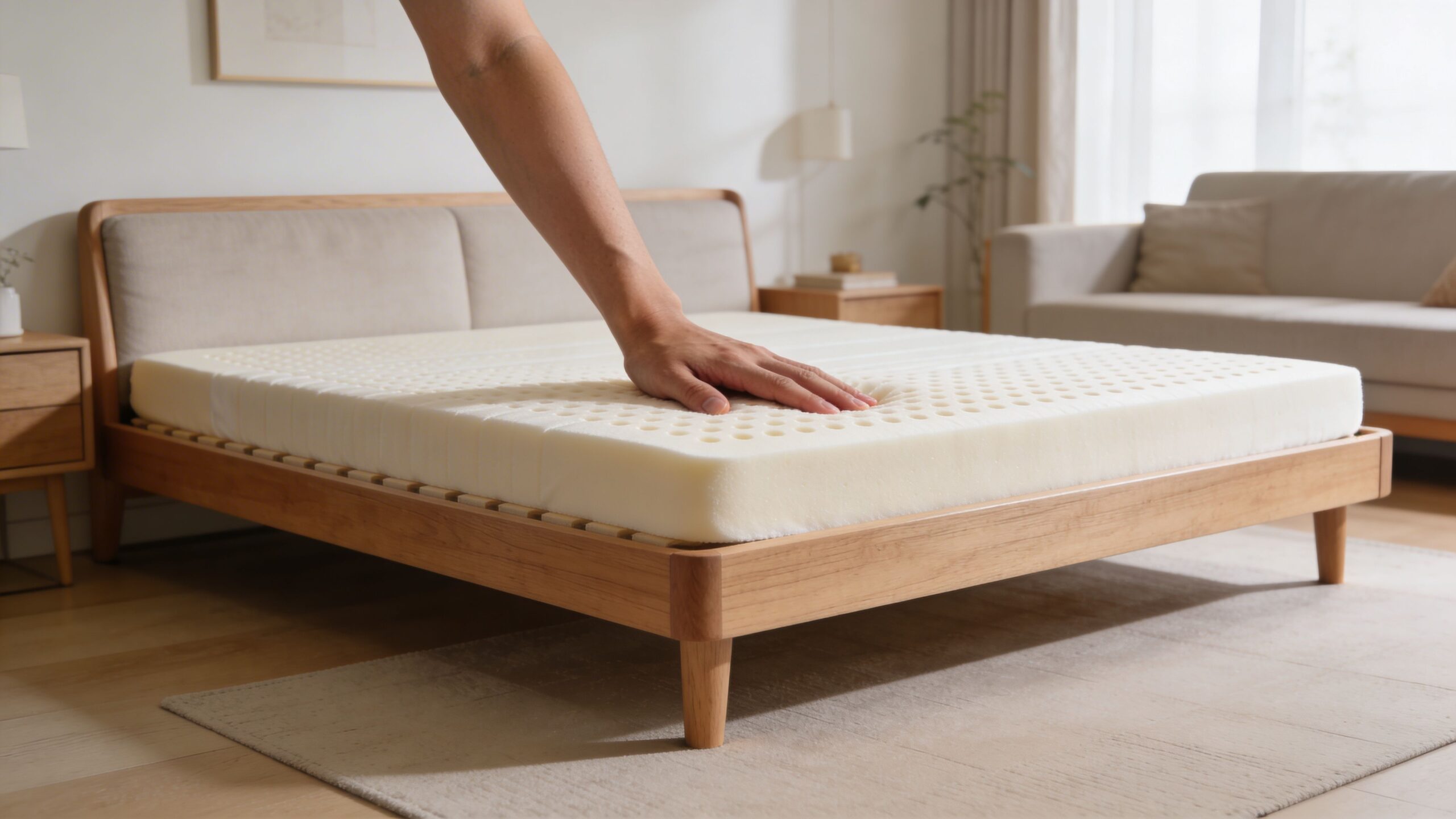
This is the part many shoppers miss. A latex futon mattress can be excellent, but not every futon frame handles it well.
A latex mattress is usually heavier and less willing to fold than a simple foam futon. That extra resistance shows up every time you convert the frame — the density and elasticity of latex can resist folding, which can create uneven support or added wear on frame hinges over time.
Why frame strength matters more with latex
On a weak frame, a heavy latex mattress can create three problems:
- Hinge strain: the frame mechanism works harder during each conversion.
- Bunching or resistance: the mattress may not settle neatly into sofa position.
- Poor seat support: if slats are too widely spaced or the deck isn’t supportive enough, the mattress won’t perform the way it should.
This doesn’t mean latex and futons don’t mix. It means the pairing has to be intentional.
Good candidates and risky candidates
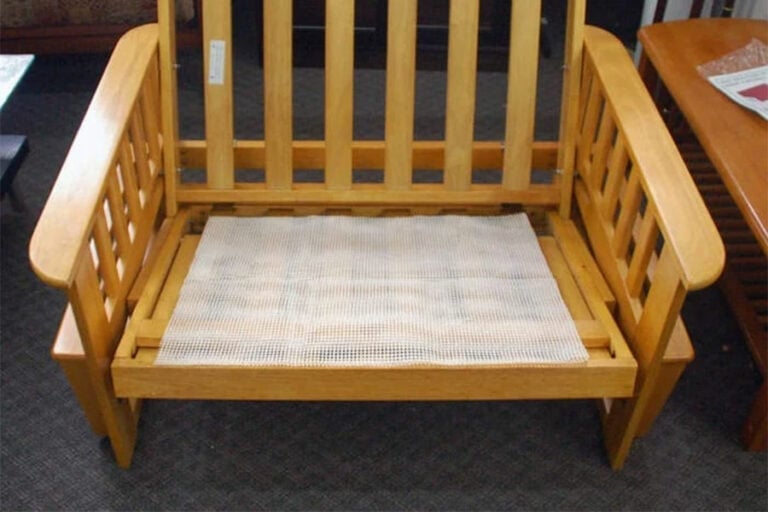
A sturdy bifold frame is usually the safest match. Solid wood frames with strong hardware and stable slat support tend to handle latex better than lightweight designs.
A trifold frame needs more caution. Because it bends in more than one place, it asks more from the mattress. Some thinner latex builds can work, but a dense, thick latex futon on a trifold can become awkward fast.
Review actual futon frame options with the mattress in mind, not as a separate purchase.
What to inspect before buying
| Frame check | What you want |
|---|---|
| Frame type | Preferably bifold for most latex builds |
| Slat support | Even, stable support across the deck |
| Hardware | Strong hinges and solid conversion action |
| Construction | Substantial wood or robust metal, not a light-duty frame |
| Use pattern | Better match for occasional conversion than a flimsy daily-use setup |
What works in real homes
For daily sofa-bed use in a small apartment, a slightly more manageable latex futon on a sturdy frame beats the thickest possible mattress on marginal hardware. Buyers often focus on mattress comfort alone, then discover the frame is now the weak link.
The right latex mattress should make the futon feel better. It shouldn’t make conversion feel like a wrestling match.
Choosing the Right Thickness and Firmness
A latex futon mattress has to balance comfort with foldability. Go too thin and you lose some of the support people buy latex for. Go too thick and the futon may become harder to convert cleanly.
What the latex core actually does
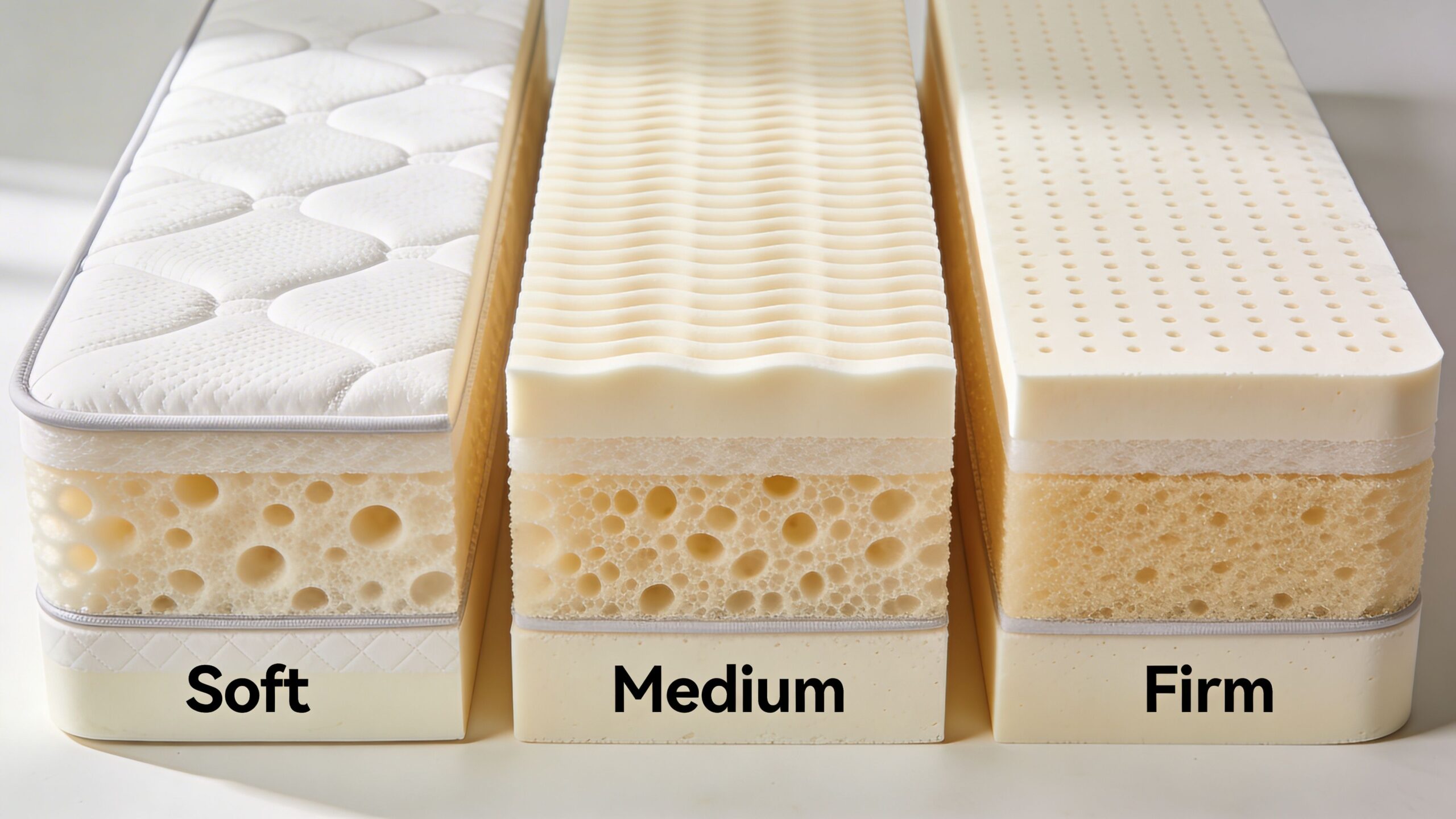
Placing a latex layer centrally within cotton and wool battings helps slow the compression of the surrounding fibers, which otherwise flatten faster on their own under regular sitting and sleeping load. That matters in a futon because the mattress isn’t only supporting a sleeper — it’s also acting like a seat cushion. The latex core helps the outer natural fibers hold their structure longer.
Thickness by use case
Thinner latex futons
Easier to manage on convertible frames, making sense when the futon is used occasionally, the frame is a trifold or a lighter bifold, or you want a natural mattress without adding too much bulk. A thinner build usually feels firmer and more direct — not a flaw, often exactly what keeps the futon usable as a sofa.
Mid-range thickness
Often the most balanced choice for buyers who want one mattress to do both jobs well — enough substance for real sleep comfort while keeping the frame from feeling overloaded. For many homes, this is the sweet spot.
Thicker latex futons
Suit buyers who treat the futon more like a regular bed and less like a frequently converted couch. They can feel excellent, but only if the frame is strong enough and the owner accepts the added weight and resistance during conversion.
Firmness by sleeper type
- Back and stomach sleepers: usually do better with a firmer feel that keeps the body from dropping too far.
- Side sleepers: often prefer a surface with a bit more pressure relief at the top.
- Mixed-use sofa beds: medium-firm usually works better than very plush, because sitting exposes softness quickly.
If two people use the futon regularly, the safer choice is often a supportive medium-firm build. An overly soft futon may feel nice for a minute in the showroom and disappointing later in a sitting room.
Softer isn’t always more comfortable on a futon. A futon has to recover after use, not just feel soft on first contact.
Care, Durability, and Long-Term Value
Latex makes the strongest case for itself after the sale. The higher upfront cost then starts to look more reasonable — natural latex is widely recognized as one of the most durable mattress core materials available, holding its resilience far longer than basic foam or cotton batting under repeated use, which means fewer replacements over the life of the furniture.
What care actually matters
- Use a breathable cover: a removable cover helps protect the mattress from dirt, body oils, and daily wear. Start with a futon cover that fits the mattress dimensions and intended use.
- Rotate the mattress: head-to-foot rotation helps spread wear more evenly, especially when one seat position gets used more than others.
- Air it out: latex benefits from ventilation, especially in apartments where the futon sits against walls or stays in sofa position most of the time.
- Don’t force an improper flip: many layered futons aren’t built to be flipped the way an old two-sided mattress was. Follow the construction logic of the mattress.
Why latex ages better than many cheaper builds
Natural latex has a different wear pattern from low-end foam. It tends to keep resilience longer instead of quickly shifting into obvious impressions. In futon use, that matters because wear is concentrated — the same edge, seat, and center panel get used every day.
Wool and cotton around the latex still need care, but the latex core helps the mattress resist the tired, collapsed look that sends many owners shopping again too soon.
Certifications and material honesty
When buyers ask about natural and organic mattresses, they’re usually trying to answer a simple question: what’s inside this thing?
Labels like GOLS, GOTS, and Oeko-Tex can help you sort that out, but the practical rule is simpler. Read the construction and ask whether the latex is natural, blended, or synthetic. Ask what surrounds it. Ask whether wool and cotton are part of the build.
A premium futon should be easy to explain. If the materials are vague, the product usually is too.
Buying and Setup Guide
The easiest way to buy the wrong latex futon is to focus on the mattress and ignore the full setup. Size, frame type, cover, and delivery matter more with latex because the product is heavier, denser, and less forgiving of mistakes.
Start with the room, not the material
Measure the space in both positions — a futon that fits as a sofa still needs clearance when fully open. In small apartments, that detail matters just as much as mattress feel.
Then identify the use pattern:
- Mostly sofa, occasional bed: stay conservative on thickness and prioritize easy conversion.
- Frequent bed, regular sofa: choose a sturdier frame and a more substantial natural mattress.
- Guest room use: keep comfort high, but don’t overbuy if the futon won’t see daily service.
Build the setup as a system
| Item | What to decide |
|---|---|
| Mattress | Natural materials, manageable thickness, suitable firmness |
| Frame | Strong enough for the mattress weight and folding resistance |
| Cover | Breathable, removable, practical for cleaning |
| Delivery plan | Important if stairs, narrow halls, or walk-ups are involved |
Futonland carries natural and organic mattress options, latex futon choices, frames, covers, and setup services, which makes it easier to match components instead of piecing them together from unrelated sellers. To try or discuss configurations in person, visit a showroom in the Upper West Side, Greenpoint, or Newark — see store locations for details.
Don’t underestimate setup logistics
Latex is heavier than many first-time buyers expect, which affects carrying, stair access, and frame conversion during installation. In city apartments, white-glove delivery and assembly can be more useful than shoppers realize, especially when the futon is going into a tight room or replacing older furniture.
A smart purchase looks boring on paper. The mattress fits the frame. The frame fits the room. The cover fits the mattress. The delivery plan fits the building. That’s how you avoid returns, strain, and buyer’s remorse.
Frequently Asked Questions About Latex Futons
Can you sleep on a latex futon every night?
Yes, if the mattress is built for regular use and the frame supports it properly. Latex is one of the stronger materials for buyers who want a futon to function as a real bed, not just an occasional backup.
Does a latex futon sleep hot?
In practice, latex usually feels more breathable than many synthetic foam builds. Buyers who dislike the close, heat-holding feel of some foam mattresses often prefer latex for that reason.
Is a latex futon too heavy to use as a sofa bed?
Sometimes, yes — that’s one of the key trade-offs. A latex futon can be noticeably heavier and less eager to bend than foam or basic cotton. On a strong bifold frame that’s usually fine. On a lighter frame, daily conversion can become annoying.
Is natural latex the same as synthetic latex?
No. If you want a more natural mattress, check the actual material description. Some products use natural latex, some use blends, and some use synthetic latex. The label matters because the material story and feel can differ.
What if someone in the house has a latex allergy?
That deserves attention before buying. Some shoppers should avoid latex and choose a non-latex futon mattress instead. Natural-material alternatives can include constructions based on cotton, wool, coir, or coil systems, depending on the feel you want.
Is latex always better than cotton or foam?
No — it’s better for some priorities. If you want longer life, stronger resilience, and a natural material profile, latex makes a strong case. If you need the lightest mattress, the lowest price, or the easiest fold on a light frame, another material may fit better.
What’s the most common buying mistake?
Ignoring frame compatibility. A good latex mattress on the wrong futon frame won’t feel or function the way it should. Buyers who get the pairing right usually end up much happier with the investment.
If you’re comparing options for a natural, hard-wearing sofa bed setup, start with the mattress construction and frame strength together. That’s what determines whether a futon latex mattress feels like a smart upgrade or an expensive mismatch.