

Your Guide to the Best Organic Futon Mattress
Choosing the best organic futon mattress isn’t just about replacing a mattress — it’s a practical way to reduce what you bring into your bedroom every night. If you’re aiming for a cleaner, low-toxin sleep setup, natural materials like certified organic cotton, pure wool, and natural latex can make a noticeable difference in comfort, breathability, and peace of mind. This guide breaks down what “organic” really means in futon mattresses, how the materials compare, and how to choose the right build for your space.
Finding Your Path to Healthier Sleep

An organic futon can be a solid upgrade for your nightly routine — especially if you’re sensitive to smells, prefer simpler materials, or want to avoid the “new mattress” chemical odor that sometimes comes with synthetic foams. We spend nearly one-third of our lives asleep, and what we sleep on becomes part of our indoor environment.
This guide keeps it real: what to look for, what to avoid, and how to match a futon mattress to the way you actually use it — as a primary bed, a guest setup, or on a convertible frame.
The Foundation of a Low-Toxin Sleep Space
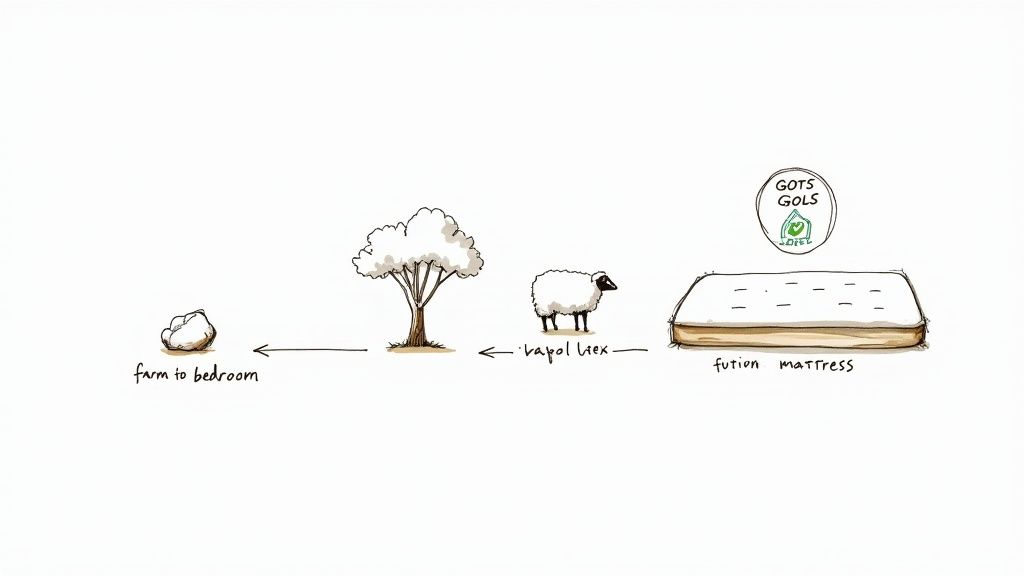
An organic futon mattress takes a “farm-to-bedroom” approach. Instead of petroleum-based foams and heavy chemical treatments, it leans on natural fibers and straightforward construction — materials chosen for breathability, durability, and comfort without unnecessary additives.
Here are the most common materials you’ll see in a truly organic build:
- GOTS-certified organic cotton: The classic futon foundation — firm, breathable, and grown without synthetic pesticides or fertilizers.
- Pure wool: A natural temperature regulator that can help with moisture and comfort. Wool is also commonly used as a natural flame barrier in organic mattresses.
- GOLS-certified natural latex: Harvested from rubber trees, latex adds buoyant support and pressure relief without the “stuck” feeling some foams create.
When you choose a mattress made with certified materials, you’re not guessing. You’re buying into a standard — and that standard is what helps keep a sleep setup genuinely cleaner from top to bottom.
If you want to browse organic options built around these materials, start here: certified organic mattresses. You’ll also find a range of natural builds in our Comfort Pure collection.
What Makes a Futon Mattress Truly Organic
The word “organic” gets used loosely in bedding. For futon mattresses, the difference usually comes down to what’s inside — and whether the materials are actually certified.
A conventional mattress is often built with petroleum-based foams, chemical adhesives, and treated fabrics. Some of those components can release odors or VOCs over time. A genuinely organic futon sticks to certified fibers and latex, and avoids synthetic foam cores altogether.
The Purity of the Core Materials
It starts with the ingredients. Organic materials are grown and processed under standards that restrict synthetic pesticides, harsh chemical treatments, and certain finishing agents. In a futon, that usually means some combination of cotton, wool, and latex layered for support and comfort.
- Organic cotton: Conventional cotton is heavily treated in agriculture. Organic cotton is grown without synthetic pesticides or GMOs, making it a cleaner pick for a dense, breathable futon core.
- Natural wool: Wool helps with temperature balance and moisture control. In many organic builds, it also serves a practical role as a natural flame barrier.
- Natural latex: Latex adds spring and pressure relief. It’s a great material when you want cushioning without losing responsiveness.
Rule of thumb: if a mattress uses polyurethane foam (including memory foam or gel foam), it’s not truly organic by material definition — even if it’s wrapped in a “natural” cover.
Understanding Certifications
If you’re shopping organic, certifications matter because they separate real standards from marketing language.
- GOTS (Global Organic Textile Standard): Commonly used for organic cotton and wool textiles. It covers how fibers are grown and how they’re processed.
- GOLS (Global Organic Latex Standard): Applies to organic latex and confirms that the latex content and processing meet strict criteria.
Want a starting point that keeps it simple? Browse organic mattresses here, then narrow down by thickness and material feel (cotton-only vs wool/latex blends).
Comparing Materials for Your Ideal Comfort
What’s inside matters more than the label on the outside. The best organic futon mattress for you depends on how you sleep, how warm you run at night, and how much cushioning your body needs.
Organic Cotton: The Firm, Breathable Foundation
Organic cotton is the most traditional futon material. It’s breathable, supportive, and naturally firm — a great match for people who like a dense sleep surface and strong spinal support. Over time, cotton compresses into a more settled, structured feel. That’s normal, and it’s part of the futon experience.
Natural Wool: Comfort + Temperature Balance
Wool adds a softer feel on top of cotton while helping manage temperature and moisture. If you’ve ever felt clammy sleeping on a mattress that traps heat, wool can be a practical upgrade. It also has a long history in bedding because it’s naturally resistant to common issues like moisture buildup.
One reason wool shows up in organic mattresses is simple: it can help meet fire safety requirements without relying on harsh chemical flame-retardant treatments.
Natural Latex: Buoyant Support and Pressure Relief
If you want cushioning without losing support, latex is usually the game-changer. It’s springy, responsive, and supportive for pressure points — especially shoulders and hips. Unlike some foams, latex doesn’t tend to feel “stuck,” which makes it easier to change positions at night.
Organic Futon Material at a Glance
| Material | Feel and Firmness | Key Benefit | Best For |
|---|---|---|---|
| Organic Cotton | Firm to Extra-Firm, dense, supportive | Breathable, classic futon feel | Back and stomach sleepers, anyone who prefers a very firm sleep surface |
| Natural Wool | Medium-Firm, adds gentle cushioning | Temperature balance and moisture control | Hot sleepers, allergy-conscious shoppers, anyone who wants a plusher top feel |
| Natural Latex | Medium to Medium-Firm, buoyant, responsive | Pressure relief and springy support | Side sleepers, joint-sensitive sleepers, combination sleepers |
If you want to go deeper on how futon builds differ (traditional cotton vs layered blends), see our guide to futon mattresses.
You’ll find certified organic cotton builds and layered options in the Comfort Pure line. Depending on the model, you can choose cotton-only, cotton-and-wool comfort layers, or latex support for more pressure relief.
How to Choose the Right Organic Futon
Once you know the materials, the next decision gets practical: thickness and use case. A daily sleeper needs more substance than a futon used mostly as a sofa. Getting this part right saves you from the most common regret — picking a mattress that’s too thin for how you actually live.
Matching Thickness to Your Lifestyle
- For a daily sleeper (primary bed): Aim for 6 to 8 inches. This range helps prevent “bottoming out,” especially if you’re sleeping on a frame or platform nightly.
- For an occasional guest bed or a convertible sofa: 3 to 5 inches is usually the sweet spot. These are easier to fold and handle, and they work well for short-term sleep.
A thin, cotton-only futon can be perfect for a guest setup — but it’s usually not the best choice for nightly sleep. Daily use benefits from more thickness or added support layers.
Real-World Scenarios
Studio apartment / primary bed: If you’re sleeping on it every night, a thicker build with cotton plus wool or latex is worth it. It gives you the futon firmness people love, with a more forgiving comfort layer.
Home office / guest room combo: A slimmer futon is easier to convert, easier to move, and still comfortable for weekend visits. If you want an even more minimalist setup, take a look at Japanese shiki futon mattresses, designed for floor use and easy storage.
Finding the Right Size
Measure your frame before you buy. “Full” and “Queen” are common, but futon frames can vary slightly. A snug fit matters — too small and it shifts; too large and it won’t fold cleanly.
If you want to shop by build and material, start with Comfort Pure, then narrow by thickness, feel, and intended use.
Caring for Your Organic Futon Mattress
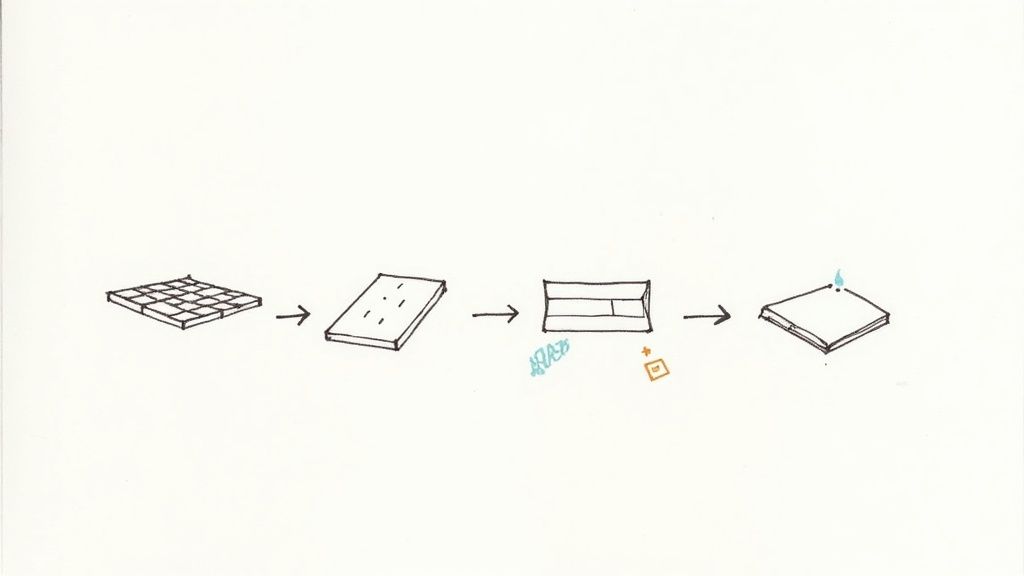
Natural fibers compress. That’s not a flaw — it’s how futons “settle.” A little routine care keeps the mattress supportive, helps it wear evenly, and extends its lifespan.
Flip and Rotate Regularly
For the first two months, flip and rotate your futon about twice a week. After that, weekly or every other week is usually enough. This prevents the “one spot” from packing down too quickly and helps the fibers stay even.
Flipping isn’t just about shape — it also helps the mattress air out and release moisture that naturally builds up from nightly use.
Protect Against Spills and Allergens
A quality protector is the easiest way to keep a futon clean. It helps block sweat, spills, and dust from settling into the fibers. If you’re building an organic setup, choose a protector that aligns with that goal — breathable, simple materials, and easy to wash.
How to Spot-Clean Natural Fibers
- Blot immediately: Press with a clean cloth to absorb liquid. Don’t rub.
- Use a mild soap solution: A tiny amount of gentle soap mixed with cool water works well. Dab lightly.
- Rinse lightly: Blot with a cloth dampened in plain water to remove soap residue.
- Air dry completely: Make sure the area is fully dry before making the bed again.
Why an Organic Futon Is a Smart Investment
Buying the best organic futon mattress is really about what you want your bedroom to be: cooler, simpler, and more intentional. Organic materials can reduce exposure to harsh chemical treatments, help cut down on unwanted odors, and support a breathable sleep environment.
A Foundation for Long-Term Comfort
Natural builds tend to feel more stable over time — especially when you maintain them properly. Wool and cotton are breathable and comfortable through changing seasons, and latex can add pressure relief without sacrificing support.
The value isn’t only in comfort. It’s in knowing your sleep space is built with straightforward materials — and that the bed you use every night aligns with the way you want to live.
Purity and Safety Without the Harsh Extras
Many people choose organic futons because they want fewer additives in their home — especially in the bedroom. If avoiding certain chemical treatments is a priority for you, this guide goes deeper: no fire retardant chemicals.
You can also explore our Comfort Pure collection for certified organic cotton options and layered builds that add wool or latex for comfort upgrades.
Your Top Questions About Organic Futons, Answered
Organic bedding can feel like a maze at first. Here are straightforward answers to the most common questions we hear when people are trying to choose the best organic futon mattress.
How Long Does an Organic Futon Mattress Last?
With regular flipping and rotation, a quality organic futon can last 10 to 20 years. Materials matter, and so does maintenance. Latex-core models often hold their shape longer, while cotton-only futons tend to compress more (which is normal) and benefit the most from consistent flipping.
Do Organic Futons Have a Smell?
You may notice a light, natural scent at first — especially with wool or latex. It’s typically mild and fades after the mattress airs out for a few days. The key difference is that the smell is from natural materials, not chemical off-gassing.
What Is the Best Firmness for a Futon Mattress?
Most futons run firmer than conventional mattresses. The best firmness depends on how you sleep:
- Firm to Extra-Firm (cotton): Best for back and stomach sleepers who want strong support.
- Medium-Firm (cotton/wool or cotton/latex blends): A balanced feel for mixed sleep styles and many side sleepers.
- Medium (latex core): A great choice for side sleepers or anyone who needs more pressure relief at shoulders and hips.
If you’re torn between two builds, choose based on use: daily sleep usually benefits from more thickness and/or latex support; occasional use can stay simpler and firmer.
Ready to build a cleaner sleep setup? Explore the Comfort Pure collection for certified organic cotton futon mattresses and layered options designed for healthier, more intentional sleep.