Comfortable Futon Sofa Bed Guide – Mattress, Frame & Setup Tips

Let’s be real for a moment. When you hear the words “comfortable futon sofa bed,” it’s easy to be skeptical. It might even sound like an oxymoron. But we’re here to show you that not only is it possible, it’s actually the new standard. This guide is all about leaving the old image of lumpy, sad college-dorm futons in the past and introducing you to the genuinely comfortable, stylish designs of today.

A comfortable futon sofa bed comes down to the right mattress, a solid frame, and a layout that suits your space. In this guide, we’ll break down mattress materials and thickness, frame types, sizes, and accessories so you can choose a futon that works for everyday sitting and sleeping.

What “Comfort” Really Means for Modern Furniture

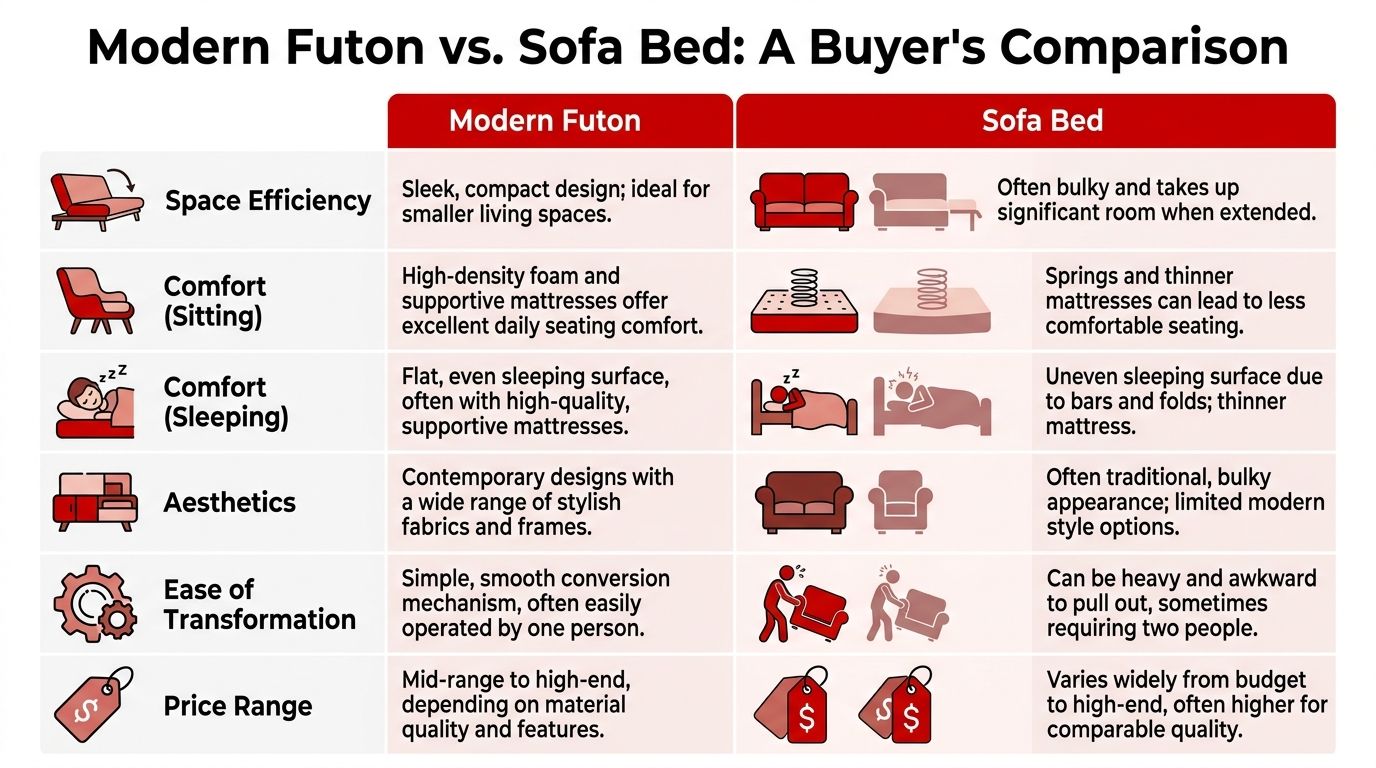
First things first: forget everything you thought you knew about futons. The days of thin, unforgiving pads on flimsy metal frames are long gone. They’ve been replaced by thoughtfully engineered, dual-purpose furniture designed for how we actually live. A truly comfortable futon sofa bed isn’t a compromise anymore; it’s a smart, elegant solution for anyone looking to maximize their space without sacrificing an ounce of comfort.

This evolution isn’t just a fleeting trend. It’s a direct response to our modern lifestyles, where smaller apartments and multi-functional rooms are the norm. This has created a huge demand for furniture that can pull double duty.

The global market for sofa beds is on track to hit $28.73 billion by 2034, and a big reason why is that over 52% of us need furniture that works harder, especially in tight spaces.

This demand has lit a fire under manufacturers, pushing them to innovate and focus on what truly matters for lasting comfort: the mattress, the frame, and the materials they’re made of. A high-quality futon isn’t just a placeholder piece of furniture; it’s a genuine investment in versatile, everyday comfort.

Before we dive deep, let’s get a quick overview of the most important elements you’ll need to consider.

Key Factors for a Comfortable Futon at a Glance

This quick summary helps you immediately identify the most important features to look for when choosing a truly comfortable futon sofa bed.

Feature What to Look For Why It Matters for Comfort
Mattress Material High-density foam, memory foam, innersprings, or natural fibers like cotton/wool. Determines support, pressure relief, and breathability. The core of your sleep quality.
Mattress Thickness 6 to 8 inches or more for daily use. Prevents “bottoming out” and feeling the frame underneath. Thicker is generally better.
Frame Construction Solid hardwood (like oak or maple) or sturdy, quality metal. Provides a stable, sag-free foundation for the mattress, ensuring even support.
Support System Closely spaced wooden slats (no more than 2.5-3 inches apart). Prevents the mattress from dipping and extends its lifespan by providing consistent support.
Mechanism & Sizing Smooth-operating hinges; dimensions that fit both folded (sofa) and flat (bed). Ensures easy conversion and a proper fit in your room without overwhelming the space.
Firmness Level Matches your personal sleep preference (side, back, stomach sleeper). The right firmness aligns your spine and prevents aches and pains.

This table is your starting point. Now, let’s unpack these elements one by one.

The Building Blocks of a Better Futon

Understanding what makes a futon genuinely comfortable is a lot like building a great bed—every single layer and component plays a crucial role. Throughout this guide, we’ll walk through the essentials:

  • The Mattress: This is the heart and soul of your comfort. We’ll get into the specifics of materials like memory foam, pocketed coils, and organic wool that provide real support and pressure relief.
  • The Frame: The unsung hero. A solid frame is the foundation that prevents sagging and allows your mattress to do its job properly. We’ll show you what to look for.
  • The Materials: From the filling packed inside the mattress to the fabric on the outside, quality materials are what separate a futon that lasts a year from one that lasts a decade.

By focusing on these key areas, you can confidently find a futon sofa bed that’s a chic, inviting sofa by day and a genuinely restful bed by night. You’re not just buying furniture; you’re choosing a versatile centerpiece for your home.

Choosing the Heart of Your Futon: The Mattress

If the frame is the skeleton of your futon, the mattress is its heart and soul. This is where the real comfort happens. A quality mattress can turn a simple frame into a plush sofa and a genuinely restful bed, while a cheap one will have you feeling every slat and bar underneath.

Think of it this way: the mattress is the single most important component for your comfort. Let’s break down what separates a basic pad from a mattress you’ll absolutely love sitting and sleeping on.

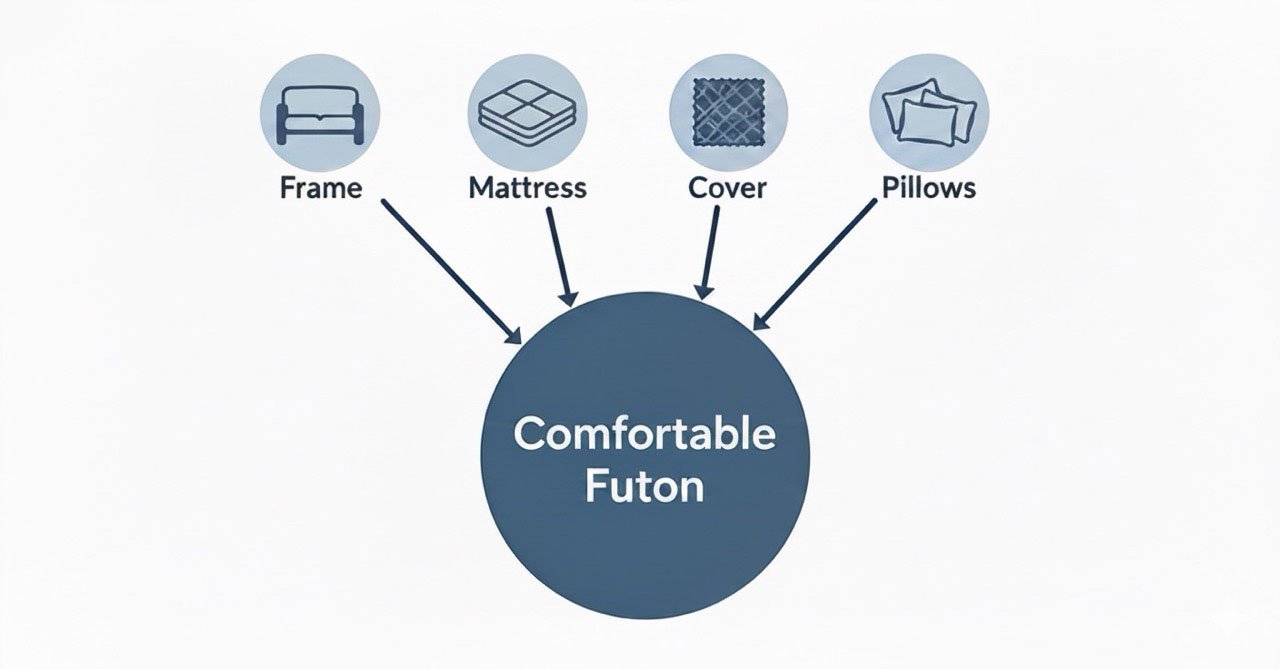
This simple graphic shows how everything works together to create a comfortable futon experience.

As you can see, while every piece plays a part, the mattress is ground zero for comfort. It’s what directly supports you, whether you’re lounging with a book or settling in for the night.

Unpacking the Core Materials

The filling inside your futon mattress determines pretty much everything—how firm it feels, how well it breathes, and how it holds up after years of use. Each material has its own personality, kind of like choosing between different types of running shoes. What feels perfect for one person might not work at all for another.

Below is a quick comparison to help you understand the differences between the most popular materials we see in futon mattresses today.

Futon Mattress Material Comparison

This table breaks down the most common futon mattress materials, comparing them on the key factors that affect comfort and performance. Use it to find the perfect match for your needs.

Material Type Feel & Firmness Best For Durability Price Range
Innerspring/Coils Bouncy, supportive, firm. Good airflow. People who prefer a traditional mattress feel and sleep hot. Great for daily use as a sofa or bed. High. Resists sagging better than all-cotton models. $$ – $$$
Memory Foam Contouring, pressure-relieving. Absorbs motion. Side sleepers and couples. Excellent for relieving pressure on hips and shoulders. High. High-density foam is very resilient. $$ – $$$
Latex Responsive, buoyant, gentle contouring. Eco-conscious shoppers and those wanting a bouncy feel without springs. Naturally hypoallergenic. Very High. Natural latex is one of the most durable materials available. $$$ – $$$$
Cotton & Foam Medium-firm, supportive, traditional feel. Versatile use. A good all-around choice that balances comfort, support, and price. Medium to High. Holds its shape better than all-cotton. $ – $$
All-Cotton Very firm, dense. Flattens over time. Traditionalists and those who need a firm, floor-style sleeping surface. Occasional use. Low to Medium. Prone to compacting and getting lumpy. $

Ultimately, the best material comes down to personal preference. Whether you love the classic bounce of an innerspring or the modern contouring of memory foam, understanding these differences is the first step toward finding your ideal futon mattress.

Why Mattress Thickness Matters

One of the biggest mistakes people make is choosing a mattress that’s too thin. This single factor can be the difference between feeling cushioned in comfort and feeling the hard slats of the frame poking your back. It’s a rookie error, but an easy one to avoid.

A thicker mattress isn’t just about feeling plush; it’s about proper support and longevity. For any futon that will see regular sleep duty, 8 inches is the gold standard. It provides enough depth to comfortably support an adult without “bottoming out.”

Here’s a quick guide to thickness:

  • 4-6 Inches: Best for very occasional use, like in a kid’s playroom or a guest room that’s rarely used. It’s fine for lounging but won’t cut it for nightly sleeping.
  • 8 Inches: This is the sweet spot. An 8-inch mattress has enough substance for both comfortable sitting and supportive sleeping, making it the most popular and versatile choice for a primary-use futon.
  • 10+ Inches: If you’re looking for ultimate luxury, a 10-inch or thicker mattress offers a true bed-like experience. Just make sure your futon frame is sturdy enough to handle the extra weight and bulk when folding.

Beyond the Filling: The Importance of the Cover

While the core materials provide the support, the outer cover—also called the ticking—is what you see and feel every day. It defines the immediate touch and long-term durability of your mattress.

When you’re looking at futons, pay close attention to the fabric covering the mattress.

Common options you’ll find include:

  • Cotton Twill: A durable, breathable classic. It’s tough enough to withstand the friction from constantly converting your futon from a sofa to a bed and back again.
  • Microfiber: Incredibly soft to the touch and a champion at resisting stains. This makes it a fantastic choice for homes with kids or pets.
  • Performance Fabrics: These are specially engineered to fight off fading, pilling, and general wear and tear, offering the best longevity for a piece of furniture that gets a lot of use.

The perfect mattress is really a combination of the right guts, the right thickness for your needs, and a tough, nice-feeling cover. If you nail these three things, you’re well on your way to finding the heart of your new favorite piece of furniture.

Why the Right Futon Frame Is Your Foundation for Comfort

While everyone focuses on the mattress—and for good reason—the frame is the unsung hero of the whole setup. It’s the skeleton that provides all the essential support. Think about it: a top-of-the-line mattress on a weak, wobbly frame is like building a luxury house on a shaky foundation. It just won’t feel right, and it certainly won’t last.

The frame is what dictates stability, durability, and ultimately, how well your mattress can do its job.

A well-built frame ensures your mattress lies perfectly flat and is supported evenly from edge to edge. This is what prevents premature sagging and those dreaded uncomfortable dips. Getting the frame right is crucial for turning your futon from a temporary fix into a reliable, everyday piece of furniture. Let’s break down what makes a great frame.

Bifold vs. Trifold Designs

One of the first choices you’ll make is how the futon actually folds. This mechanism defines its footprint in your room and how you’ll use it day-to-day. The two main designs are bifold and trifold.

  • Bifold Frames: This is the classic, most common design you’ll see. The mattress folds in half just once, with one part forming the seat and the other becoming the backrest. Bifold frames are almost always more robust, can handle thicker, more comfortable mattresses, and offer a more traditional sofa-like feel when you’re sitting on them.
  • Trifold Frames: These frames, as the name suggests, fold the mattress into three sections. They often have a smaller footprint as a sofa because the mattress is stacked more vertically. The trade-off? They usually require thinner, more flexible mattresses and can sometimes feel less stable for daily sleeping.

For a primary-use, truly comfortable futon sofa bed, a bifold frame is almost always the way to go. It simply provides a better, more stable foundation for the thicker, more supportive mattresses needed for a genuinely good night’s sleep.

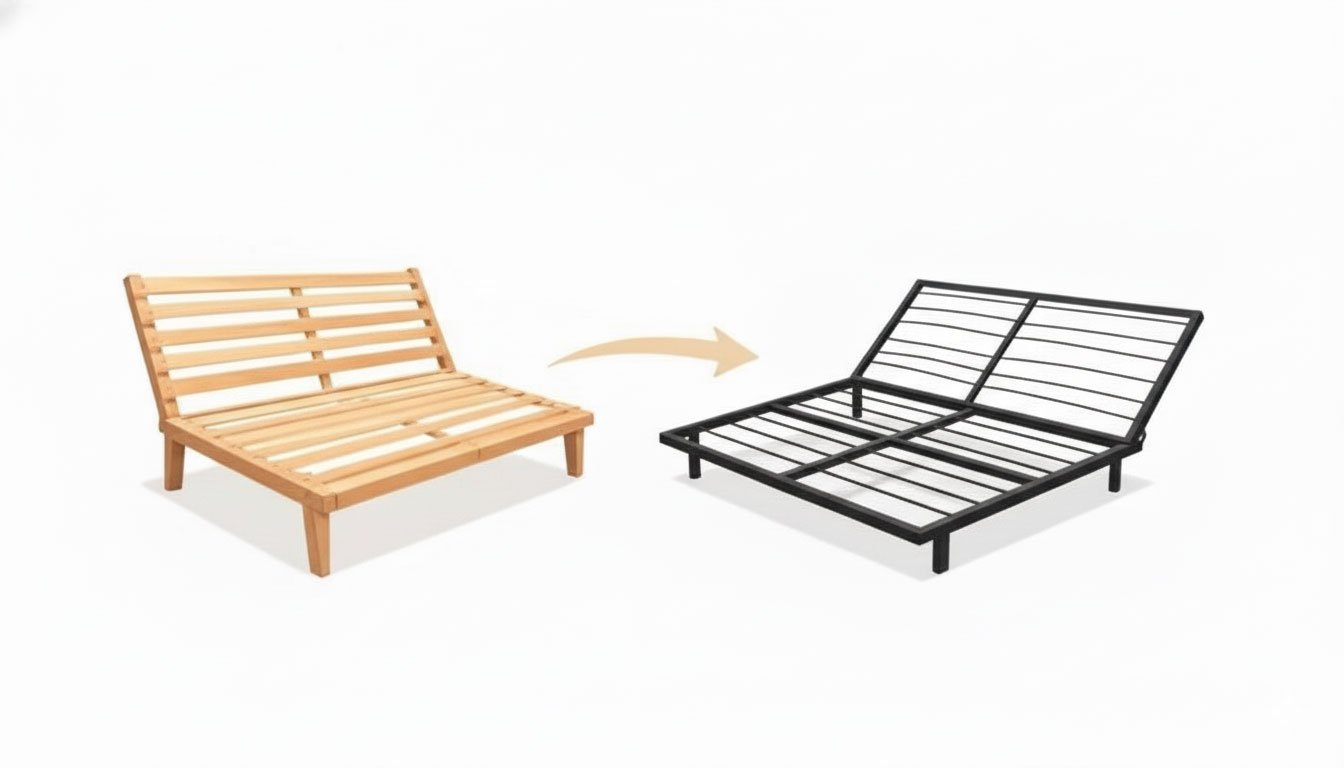
Wood vs. Metal: What Really Matters

The material of your frame affects a lot more than just looks; it’s a core indicator of strength and longevity. Both wood and metal can be excellent choices, but the quality within each category varies dramatically.

Wood Frames

Solid hardwood frames made from materials like oak, maple, or rubberwood are the gold standard for durability. They offer incredible strength, a classic, warm look, and are built to last a lifetime.

When you’re looking at a wood frame, the magic words are “solid hardwood.” Steer clear of softer woods like pine or composite materials like particleboard. A solid wood frame is a long-term investment in stability and sag-free support.

Metal Frames

Metal frames can offer a sleek, modern aesthetic and are often lighter than their wood counterparts, which can be a plus if you move frequently. The key here is the quality of the metal and the construction. Look for frames made from heavy-gauge steel with secure, welded joints. Flimsy, lightweight metal frames are the number one cause of squeaking, wobbling, and poor mattress support.

The Support System: Your Mattress Rests On This

This might be the most overlooked, yet critical, aspect of any futon frame. The platform that actually holds the mattress—whether it’s wooden slats or a metal grid—is your last line of defense against sagging.

Wooden Slats

For wooden frames, the ideal support system is a series of closely spaced slats. This provides even, flexible support that also allows the mattress to breathe, which is great for longevity.

  • Spacing is Key: The slats should be no more than 2.5 to 3 inches apart. Any wider, and your mattress will eventually start to sink between them, creating uncomfortable lumps and drastically shortening its lifespan.

Metal Grids

For metal frames, a tight mesh or grid pattern offers the best support. Avoid frames with widely spaced bars, as they create pressure points and offer uneven support—a recipe for an uncomfortable night.

Ultimately, the frame is the perfect partner to your mattress. By choosing a sturdy bifold design made from solid hardwood or quality steel and ensuring it has a proper slat or grid system, you create the perfect foundation. This is the secret to a comfortable futon sofa bed that will deliver exceptional support and relaxation for years to come.

Finding the Perfect Fit for Your Room

A truly comfortable futon does more than just feel good—it has to fit your life and your living space. This is where practicality meets personal style. Getting the right size and design is the key to making sure your new futon is a seamless part of your home, not an awkward obstacle you’re constantly trying to shuffle around.

Before you fall in love with a specific look, it’s a good idea to get familiar with the standard dimensions and how they’ll actually work in your room. This simple step can save you the massive headache of discovering your beautiful new furniture doesn’t fit through the door or leaves no room to walk.

Decoding Futon Sizes

The good news is that futon sizes generally follow standard mattress dimensions. This makes it pretty easy to visualize how much space they’ll take up when opened into a bed. The three most common sizes each have their own sweet spot.

  • Twin (39″ x 75″): Perfect for single sleepers or really tight spots, like a small home office or a kid’s room. When it’s in the sofa position, think of it as more of a “chair-and-a-half,” an ideal spot for one person to lounge.
  • Full (54″ x 75″): This is the workhorse of the futon world—the most popular and versatile size by far. It offers plenty of seating for two or three people and converts into a comfortable bed for one person or a cozy space for two.
  • Queen (60″ x 80″): If you need a primary guest bed, the generous sleeping area of a queen futon is an excellent choice. Just be sure you have the real estate for it; its larger footprint needs a more spacious room to feel right.

The Art of Measuring Your Space

Never, ever underestimate the power of a tape measure. Seriously. This is the single most critical step to guarantee a perfect fit. You have to account for the futon in both its sofa and bed positions, plus the space you need to actually walk around it without stubbing a toe.

Pro Tip: Before you buy, get the futon’s dimensions in both its upright (sofa) and flat (bed) positions. Then, use painter’s tape to mark out that footprint on your floor. This little trick lets you physically see how much space it will occupy and ensures you have enough clearance for doorways and traffic flow.

Don’t forget to measure the clearance needed for the conversion mechanism, too. Some frames need a few inches of space behind them to fold down without scraping the wall.

Smart Strategies for Small Spaces

Living in a studio apartment, dorm, or cozy home doesn’t mean you have to give up on comfort or style. Modern futons have evolved, and many are now designed specifically for compact living with clever features that make the most of every square inch.

Keep an eye out for these game-changing designs:

  1. Armless Frames: Ditching the arms can shave several precious inches off the futon’s total width. This gives it a sleek, minimalist profile that helps a small room feel much more open and airy.
  2. Built-in Storage: Many wooden futon frames come with drawers built right into the base. This is an incredible bonus for stashing away bedding, pillows, or anything else you need to hide, freeing you from needing another piece of storage furniture.
  3. Wall-Hugger Mechanisms: These ingenious frames are designed to convert from a sofa to a bed without having to be pulled away from the wall. It’s a simple feature that saves you a surprising amount of floor space and hassle.

By choosing a futon with these smart features, you get all the function of a great sofa bed without letting it overwhelm your room. It’s all about working smarter, not harder, with your furniture.

Keeping Your Futon Comfortable for the Long Haul

Getting your new futon sofa bed home isn’t the end of the story. Think of it more like the beginning. To get that lasting, sink-into-it comfort day after day, a little bit of upkeep and a few smart upgrades go a surprisingly long way.

The good news is, it’s not complicated. With a few simple habits and the right accessories, you can easily boost its comfort and extend its life, making sure it stays the best seat—and bed—in the house for years to come.

Instantly Upgrade Your Comfort with Smart Accessories

Sometimes, even a great futon can be made perfect. The right accessories are game-changers, tackling common annoyances like a sliding mattress or just adding that extra layer of plushness you’re craving. These small additions give you a huge return on comfort.

Here are a few essential upgrades to consider:

  • Mattress Toppers: A 2-3 inch memory foam or latex topper is probably the single best thing you can do to customize how your futon feels. It can soften up a firm mattress or add a bit more support, completely transforming the sleep surface in minutes.
  • Futon Grippers: Is there anything more annoying than a mattress that slowly slides down the frame every time you sit? A non-slip futon gripper is a simple, cheap pad you place between the mattress and the frame to hold it exactly where it belongs. Problem solved.
  • Protective Covers: A good futon cover is non-negotiable. It’s not just about style; it’s the first line of defense against spills, stains, and daily wear and tear. Protecting the mattress itself is the key to its longevity.

Choosing the Right Futon Cover

A futon cover is more than just a pretty face—it’s your mattress’s bodyguard. The fabric you pick has a huge impact on how it feels, how long it lasts, and how easy it is to clean. And since spills are a matter of when, not if, knowing how to clean upholstery stains is a must for keeping your futon looking and feeling fresh.

Consider these popular fabric choices:

  • Cotton Twill: This is a workhorse fabric. It’s durable, breathable, and stands up well to everyday use.
  • Microfiber/Suede: Incredibly soft to the touch and surprisingly good at repelling stains, which makes it perfect for homes with kids or pets.
  • Performance Fabrics: These are engineered to resist fading and wear, making them a fantastic long-term investment.

A removable, machine-washable cover is one of the most practical features you can choose. It simplifies cleaning and ensures your futon stays fresh and inviting, no matter what life throws at it.

A Simple Maintenance Checklist for Longevity

The secret to preventing your futon mattress from getting lumpy, compressed, or uneven is consistent care. It sounds like work, but a few minutes of effort every couple of months will keep your comfortable futon sofa bed feeling like new for much, much longer.

Just follow this simple routine to get the most out of your mattress:

  1. Flip and Rotate Regularly: Every one to three months, flip the mattress over completely. The next time, rotate it 180 degrees from head to foot. This is the single best way to make sure the filling compresses evenly.
  2. Air It Out: At least twice a year, take the mattress right off the frame and let it breathe for a few hours. This helps get rid of any trapped moisture and keeps it from feeling stale.
  3. Vacuuming: Grab your vacuum’s upholstery attachment and give the mattress and frame a quick clean every month or so. It’s amazing how much dust, allergens, and crumbs can build up over time.

Where and How to Buy Your Ideal Futon

You’ve done the research and have a solid idea of what makes a futon genuinely comfortable. Now for the final step: bringing it home. This decision usually boils down to two paths—shopping online or visiting a physical showroom. Each route has its perks, and the best choice really depends on what you value most: convenience or a hands-on experience.

Online shopping throws open the doors to a massive selection, letting you compare styles and prices from your couch. The trade-off? You can’t actually feel the futon. On the flip side, shopping in-store lets you sit, lounge, and operate the mechanism yourself, but your options are limited to what’s on the floor.

Shopping In-Store: The Touch-and-Feel Advantage

There’s just no substitute for trying out furniture in person. If you can swing a visit to a showroom like Futonland in New York City, you can buy with confidence, knowing you’ve personally vetted the quality and comfort.

A hands-on test is the absolute best way to make sure you’re getting a comfortable futon sofa bed that lives up to your expectations.

Here’s what to do on your showroom visit:

  • Test the Mechanism: Don’t be shy! Ask to convert the futon from a sofa to a bed and back again. Does it glide smoothly, or is it a clunky, awkward struggle? A well-made frame should have an easy, fluid motion.
  • Sit and Lounge: Take a seat for a few minutes. How does it feel as a sofa? Is it supportive? Is the seat depth right for your height?
  • Lie Down and Feel: Now, open it up into a bed and lie down for at least a full minute. Pay close attention to how the mattress supports your back, hips, and shoulders. You should never be able to feel the frame’s slats or bars through the mattress.

Navigating the Online Marketplace

When you’re buying a futon online, you have to become a bit of a detective, piecing together clues to judge quality from afar. While you can’t kick the tires, you can still make a very smart decision by focusing on the right details.

Start by diving into customer reviews, but learn to read between the lines. Look for patterns—if five different people mention a squeaky frame or a mattress that went flat in six months, that’s a major red flag. Skip the five-star “looks great!” comments and hunt for reviews from people who have actually owned and used the futon for a while.

Your safety net when shopping online is the return policy and warranty. A company that believes in its product will offer a clear, fair return window and a solid warranty that covers both the frame and the mattress against defects.

Before you add anything to your cart, make sure you know the answers to these questions:

  1. Return Policy: How long is the return window? Are there restocking fees? And the big one: who pays for return shipping? A futon is not a small package, and shipping it back can be pricey, so you need total clarity here.
  2. Warranty Details: Get into the fine print. Does the warranty cover mattress sagging? What about a problem with the frame’s mechanism? Knowing what’s covered can save you a world of frustration later on.
  3. Delivery and Assembly Options: Finally, think about the logistics. How is this big piece of furniture actually going to get inside your home?

Planning for Delivery and Assembly

Whether you buy online or in-store, you need a game plan for delivery day. Most retailers, Futonland included, offer a few different levels of service.

  • Curbside Delivery: This is the basic, no-frills option. The delivery truck will drop the futon at your curb, and it’s up to you to get it inside and put it together.
  • White-Glove Service: For an extra fee, a professional team will bring the futon into your room of choice, do all the assembly, and even haul away the packaging. For a heavy, multi-part piece of furniture, this service is often worth every penny. It guarantees your new futon is set up correctly and ready to go without you having to lift a finger.

Common Questions About Futon Comfort

We get it. Even after digging into all the details, you probably still have a few questions buzzing around. Let’s tackle the most common ones we hear every day so you can feel completely confident in your choice.

Can a Futon Be Used for Everyday Sleeping?

Absolutely, but with a big caveat: you have to choose the right one. A high-quality, comfortable futon sofa bed can absolutely serve as your primary bed. It’s a game-changer in smaller apartments or studios where every piece of furniture needs to pull double duty.

The secret isn’t complicated—it’s all about investing in the core components. You’ll want a premium mattress that’s at least 8 inches thick, built from supportive materials like high-density foam, latex, or a proper innerspring unit. When you pair that with a sturdy, well-built frame that has closely spaced support slats, you’ve got a sleep setup that can go toe-to-toe with many traditional beds.

How Can I Make My Current Futon More Comfortable?

Not quite ready to buy a whole new setup? No problem. You can still seriously upgrade the comfort of the futon you already own.

The fastest and most noticeable improvement comes from a quality mattress topper. A 2-3 inch memory foam or latex topper can instantly add a layer of plushness and take the pressure off your hips and shoulders.

Next, take a look at your frame’s support slats. If they’re spaced more than three inches apart, your mattress isn’t getting the support it needs and is likely sagging between the gaps. And for a cheap but surprisingly effective fix, grab a non-slip futon gripper. You just place it between the mattress and the frame, and it puts an end to that annoying, constant sliding.

What Is the Best Firmness for a Futon Mattress?

There’s no single “best” firmness—the ideal level really boils down to how you’ll be using your futon most of the time. It’s all about matching the mattress to your lifestyle.

For a futon that’s mainly a sofa, a medium-firm mattress is the sweet spot. It provides the supportive cushioning you need to sit comfortably for hours without feeling like you’re sinking into a marshmallow, and it holds its shape better over time.

If sleeping is the priority, then your preferred sleep position is the deciding factor:

  • Side Sleepers usually feel best on a slightly softer, more contouring mattress (think memory foam or latex) to cushion the shoulders and hips.
  • Back and Stomach Sleepers typically need a firmer option (like a robust innerspring or dense foam) to keep their spine properly aligned all night.

How Long Does a Quality Futon Last?

A futon’s lifespan really comes down to two things: the quality of its parts and how much you use it. A well-made frame built from solid wood or heavy-gauge metal is a true long-term investment that can easily last 10-15 years, and often much longer with a bit of care.

The mattress, as you might expect, is the component you’ll need to replace sooner. A high-quality futon mattress that you flip and rotate regularly can give you 5 to 10 years of fantastic comfort. On the other hand, a basic, all-cotton mattress used every day might start to feel compressed and uncomfortable in as little as 3-5 years.


Ready to find a futon that perfectly matches your comfort needs and your home’s style? Explore the huge collection at Futonland, and let our experts help you put together the ideal space-saving solution. Visit https://futonland.com to get started.

Similar Posts