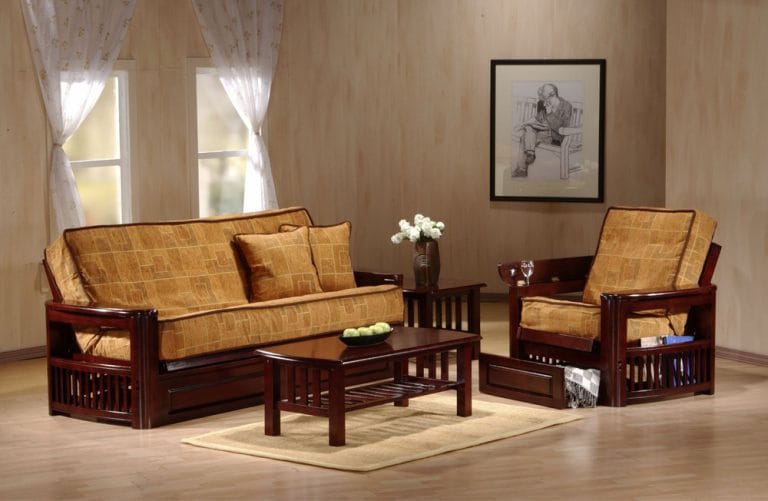

Folding Futon Beds: The Ultimate Guide to Space-Saving Comfort
Struggling with a small living space? You’re not alone. When every square foot counts, a folding futon bed is one of the smartest, most stylish pieces of furniture you can own. It pulls double duty as a comfortable sofa by day and a practical bed by night. This guide is here to bust the old dorm room myth and show you how today’s futons deliver surprising comfort and incredible design flexibility.
Your Guide to Choosing the Perfect Folding Futon Bed
Think of this as your personal consultation for all things futons. We’ll walk through everything from the sturdy frames that form the foundation to the plush mattresses that guarantee a good night’s sleep. We’re going to explore how one single piece of furniture can completely transform a studio apartment, guest room, or home office into a space that does it all. Our goal is simple: to give you the confidence and know-how to pick a folding futon bed that fits your space, your style, and your life perfectly.
Why Modern Futons Are Gaining Popularity
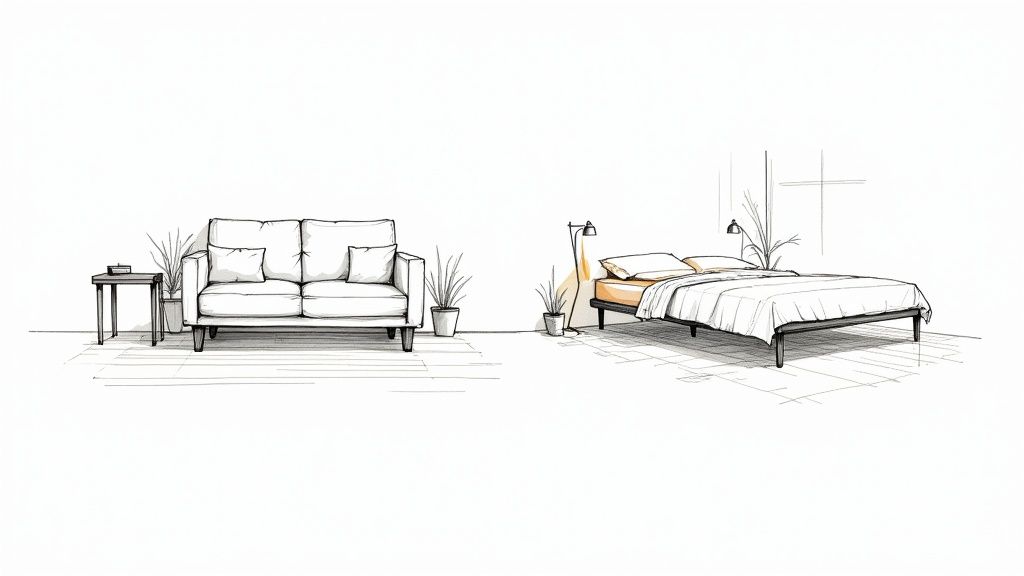
The real magic of a folding futon bed is its dual-purpose design—an absolute game-changer when you’re trying to maximize your space. Unlike those bulky, traditional sleeper sofas with their clunky, complicated mechanisms, a futon offers a refreshingly straightforward, space-efficient alternative. It’s no wonder they’ve become a top choice for anyone looking to furnish a compact area without giving up on comfort or style.
When you’re planning your room, it’s not just about the furniture’s footprint but also the space it needs to operate. Before you make a final decision, be sure to check out Futonland’s helpful sizing charts for a detailed breakdown of measurements. This step ensures your new piece fits perfectly, both as a sofa and as a bed.
And if you’re thinking about a bigger project, seeing how furniture fits into the grand scheme of things is key. For some great ideas on home improvements, you can explore different bedroom and living space renovations.
What to Expect From This Guide
We’ve designed this guide to be your go-to resource, breaking down all the essential components so you can become a truly informed buyer. Here’s a little preview of what you’ll learn:
- Evaluate Frames and Mechanisms: We’ll get into the nitty-gritty of how futons work, understanding the key differences between bifold, trifold, and wall-hugger designs.
- Select the Right Mattress: You’ll discover how different materials like foam, cotton, and innersprings can totally change your sitting and sleeping comfort.
- Compare Against Alternatives: See how futons really stack up against traditional sofa beds, Murphy beds, and other convertible options.
By the end, you’ll have everything you need to choose a folding futon bed that doesn’t just save space but actually elevates your home’s style and functionality.
Understanding the Anatomy of a Folding Futon Bed
To really get what makes a folding futon bed work, it helps to break it down into its core parts. At its heart, a futon is a simple partnership between two key players: the frame and the mattress. Think of the frame as the skeleton—it provides the structure and the magic ability to transform—while the mattress is the heart, delivering all the comfort.
Understanding this two-part nature is your first step to becoming a smart shopper. Unlike a regular sofa where everything is built together, a futon’s separate components give you incredible flexibility. You can mix and match to create the perfect blend of style, support, and function for your space.
The Frame: The Foundation of Your Futon
The futon frame is the real workhorse of the setup. It’s responsible for holding you up comfortably when you’re sitting and giving you a stable, flat base when you’re sleeping. Frames are typically made from either wood or metal, and each one brings something different to the table.
- Wood Frames are the classic choice, often built from hardwoods like oak or maple. They bring a warm, timeless look to a room and are exceptionally durable. Their solid, unyielding foundation makes them a great pick if the futon will be your primary sofa or bed.
- Metal Frames offer a more modern, minimalist vibe. They’re usually lighter, and their streamlined look can make a small room feel bigger and more open. They’re often a bit more budget-friendly, too, which makes them a popular choice for guest rooms or a first apartment.
The choice isn’t just about looks. A heavy hardwood frame feels substantial and permanent. A sleek metal frame, on the other hand, offers a contemporary edge and is easier to move around. Your decision here will really shape the futon’s overall feel and your room’s decor.
The Mattress: The Source of Comfort
If the frame is the skeleton, then the mattress is what gives a folding futon its personality and, most importantly, its comfort. This is where you’ll feel the biggest difference between a cheap futon and a quality one. A futon mattress has a tough job—it has to be flexible enough to fold every day without getting lumpy or losing its support.
This unique demand has led to a wide variety of mattress materials, each with its own pros and cons (which we’ll dive into later). For now, the key takeaway is that the mattress is the main event, not an afterthought. Its thickness, fill, and overall construction will directly determine how well you sit and sleep.
A futon’s genius lies in its simplicity. By separating the structural frame from the comfort-driven mattress, it allows for a level of customization that monolithic furniture like sofa beds simply can’t match. You get to be the designer of your own comfort.
This design philosophy is a huge reason folding futon beds are a cornerstone of the booming folding furniture market. As city living squeezes our living spaces, this market is projected to grow from USD 5 billion to over USD 7 billion by 2030. This trend is especially strong in places with dense urban populations—like in China, where over 60% of people now live in cities—making multifunctional furniture an absolute necessity. You can discover more about this growing market on PR Newswire.
How It All Comes Together: The Conversion Mechanism
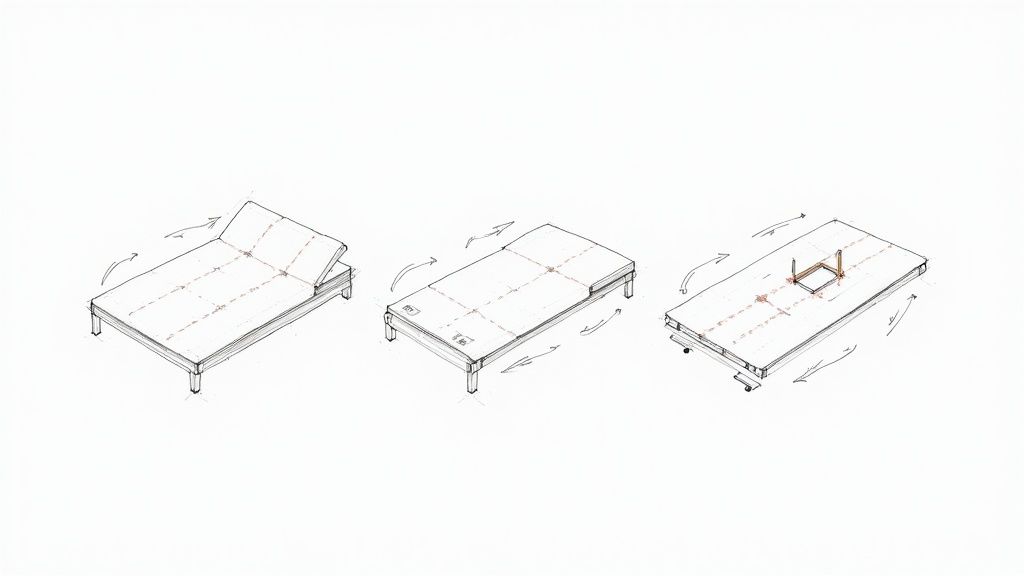
The final piece of the puzzle is the mechanism that lets the futon transform. Most futons you’ll see use one of two designs: bifold or trifold.
- Bifold Mechanism: This is the most common style you’ll find. The mattress folds in half lengthwise, just like closing a book. One part becomes the seat, and the other becomes the backrest. Simple and effective.
- Trifold Mechanism: This design folds the mattress into three sections. As a sofa, it usually takes up less floor space, but it extends further into the room when opened into a bed. You’ll often need to pull the frame away from the wall to lay it flat.
Getting a handle on these basics—the frame material, the importance of the mattress, and the folding style—is all you need. It empowers you to look past the showroom floor and really see how a folding futon bed will function in your own home.
How to Choose the Right Futon Mattress
If the futon frame is the skeleton, the mattress is its heart and soul. This is where comfort lives or dies, and it’s the single biggest factor in determining whether your futon becomes a favorite spot or a piece of furniture everyone avoids. Picking the right one goes way beyond color—it’s about understanding what’s under the hood.
A futon mattress has a unique job description. It needs to be flexible enough to fold in half every day without getting lumpy, yet supportive enough for a great night’s sleep. Think of it like a gymnast: it has to be strong, resilient, and incredibly flexible. This dual role has led to a whole world of mattress materials, each offering a totally different feel.
Decoding Mattress Materials
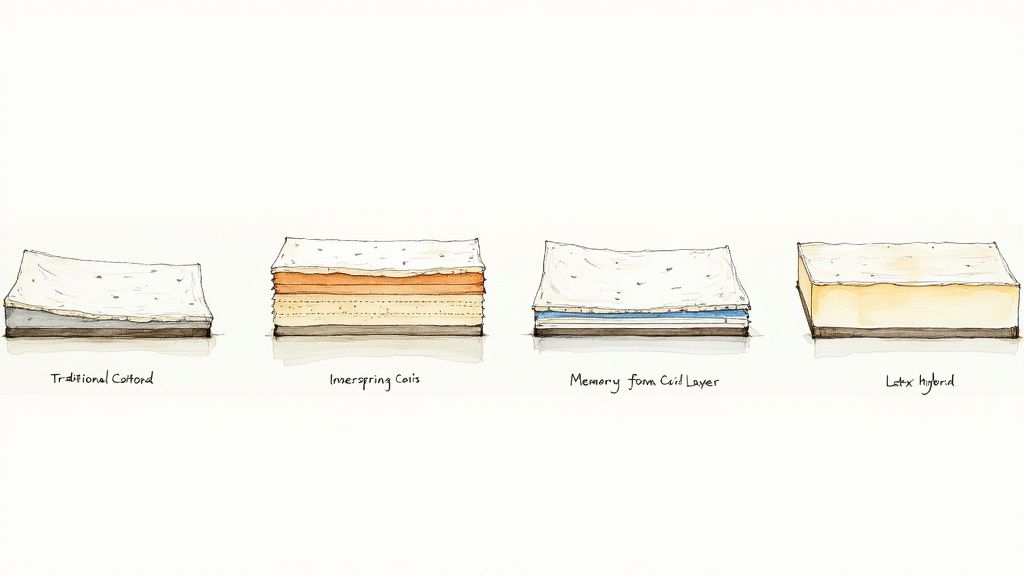
The guts of your futon mattress dictate how it performs. From old-school cotton to modern high-tech foams, every material brings something different to the table. Let’s break down the most common options you’ll come across.
Traditional Cotton and Fiber Blends
This is the classic filling, giving you that firm, dense feel that’s true to the futon’s Japanese roots. All-cotton mattresses are known for compressing over time, so you’ll need to flip and air them out regularly to keep them from feeling too hard. Most modern versions now blend cotton with polyester or wool, which helps fight compression and adds a bit of resilience.
Innerspring and Pocket Coils
Just like your regular bed, these futon mattresses have a core of steel coils. This gives them a familiar, bouncy support and allows for much better airflow, which means a cooler night’s sleep. Pocket coil versions, where every spring is wrapped individually, are even better at isolating motion and contouring to your body. These are fantastic for daily use because their structure helps them pop back into shape, day after day.
Memory Foam and Latex
For anyone chasing that modern, cloud-like comfort, memory foam and latex are the top dogs. Memory foam melts around your body’s curves, offering incredible pressure relief that side sleepers love. Latex, on the other hand, gives you a more responsive, buoyant feel and is naturally hypoallergenic and cool to the touch.
A hybrid mattress that combines innersprings with a top layer of foam or latex is often the best of both worlds. You get the deep-down support from the coils and the contouring comfort from the foam. This is really the gold standard for a futon you plan to use all the time.
The Critical Role of Mattress Thickness
Choosing a mattress thickness is a bit like picking tires for your car. You wouldn’t put a spare on for a cross-country road trip, and the same logic applies here. The thickness directly impacts comfort, support, and how well it holds up over time.
- 6-Inch Mattresses: Think of this as your “spare tire.” A 6-inch mattress is fine for occasional use, like a weekend guest or as a sofa in a room that doesn’t see much traffic. It folds easily but just doesn’t have the muscle for nightly sleeping.
- 8-Inch Mattresses: This is the “all-season radial”—the most popular and versatile choice. An 8-inch mattress strikes that perfect balance of comfort for sleeping and firm support for sitting. It’s thick enough to ensure you won’t feel the frame slats underneath you.
- 10-Inch and Thicker Mattresses: Now we’re in premium, long-haul territory. These mattresses offer a truly luxurious feel, often packed with multiple layers of high-density foam, coils, and plush tops. The only trade-off? Their beefy size can make them a bit stiff and harder to fold on certain frames.
Finding Your Perfect Match
The right mattress really comes down to one simple question: What are you going to use it for? Knowing its main job will point you straight to the perfect choice. To make it even clearer, here’s a quick breakdown.
Futon Mattress Material Comparison
This table helps compare the most common mattress materials at a glance, so you can match the right type to your needs.
| Material Type | Primary Use | Comfort Level | Durability | Best For |
|---|---|---|---|---|
| Cotton/Fiber Blend | Occasional Use | Firm | Moderate | Traditional feel, budget-friendly |
| Innerspring | Daily Sitting / Frequent Use | Bouncy & Supportive | Good | A familiar bed-like feel |
| Memory Foam | Frequent / Daily Sleeping | Contouring & Soft | Very Good | Excellent pressure relief |
| Latex | Daily Sleeping | Responsive & Buoyant | Excellent | Cooling comfort, hypoallergenic |
| Hybrid (Coil + Foam/Latex) | Daily Sleeping & Sitting | Balanced Support | Excellent | The ultimate do-it-all option |
Ultimately, picking a futon mattress is a long-term investment in comfort. It’s easy to get caught up in how the frame looks, but putting a good chunk of your budget toward a quality mattress is the smartest move you can make.
To see how these materials and thicknesses come together in real products, take a look through our full range of futon mattresses. Seeing the options side-by-side will give you a much clearer picture of what will work best in your home. The right mattress truly transforms a simple piece of furniture into a comfortable, functional centerpiece.
Selecting the Best Futon Frame and Mechanism
If the mattress is the heart of your folding futon’s comfort, the frame is its strong, reliable skeleton. This is the silent workhorse of your setup. It provides the underlying strength, dictates the style, and, most importantly, houses the mechanism that lets you switch from sofa to bed.
Choosing the right one means looking at both its form and its function. The material shapes the room’s entire aesthetic—from the classic warmth of hardwood to the sleek, clean lines of metal. At the same time, the folding mechanism defines how you’ll actually use the piece day in and day out. A great frame isn’t just a platform; it’s a core part of the experience.
Decoding the Folding Mechanisms
The clever engineering behind folding futon beds is what makes them so incredibly versatile. While you’ll find plenty of variations, most frames fall into one of two main categories. Understanding how they operate is the key to picking one that fits your space and your lifestyle perfectly.
The Bifold Frame: The Classic Transformer
This is the design most people picture when they think of a futon. It’s straightforward and the most common style you’ll see. The mattress folds just once, lengthwise, kind of like closing a book. The bottom half becomes the seat, and the top half becomes the backrest. Simple and effective.
- How it Works: The frame has a seat deck and a back deck connected by a hinge. To convert it, you just lift the seat and pull it forward, which lets the backrest glide down flat.
- Best For: Most living rooms, guest rooms, and any space where you have enough clearance to pull the frame out a few inches from the wall for conversion.
The Trifold Frame: The Compact Seater
A trifold frame, just as the name suggests, folds the mattress into three sections. This design is most often used for loveseat-sized futons and lounge chairs that need to convert into a single bed.
- How it Works: The mattress is draped over a frame that concertinas out. There’s usually a hidden section that pulls out from under the seat to support that final third of the mattress.
- Best For: Smaller rooms, offices, or kids’ rooms where a smaller seating footprint is the top priority.
The most significant innovation in futon design for small spaces is the Wall Hugger mechanism. This brilliant design lets the futon convert from sofa to bed without you ever having to pull it away from the wall. Its system of rollers and glides moves the seat deck forward as the backrest lowers, saving you both space and effort. It’s the undisputed hero of tight rooms.
Frame Materials and Construction Quality
Beyond the mechanism, the material your frame is made from is a huge decision. It impacts durability, style, and overall stability. You really have two main options, each with its own distinct advantages.
Hardwood Frames: Built for a Lifetime
Frames made from solid hardwoods like oak, maple, and cherry are the premium choice. They offer a kind of sturdiness that’s hard to beat, along with a timeless, warm look that can anchor any room’s decor. A well-built hardwood frame isn’t just furniture; it’s an investment that can last for decades.
Metal Frames: Modern and Minimalist
Metal frames give you a clean, contemporary look and are often more friendly to your budget. They’re also lighter, which makes them easier to move around, and their streamlined profile can make a small room feel much more open. Just look for models with a durable powder-coated finish to resist scratches and rust.
No matter which material you lean toward, always check for quality construction. A solid frame will have sturdy slats spaced closely together—this is crucial for properly supporting the mattress and preventing it from sagging over time. You should also give the locking mechanisms a good look to make sure they’re secure and easy to operate. You want a safe and stable surface for both sitting and sleeping. Futonland offers a wide selection of durable futon frames in both wood and metal, so you can find the perfect foundation for your needs.
This focus on functional, space-saving furniture isn’t just a niche trend; it’s global. The folding furniture market, valued at USD 12.15 billion, is projected to hit USD 20.42 billion by 2032. The Asia-Pacific region is leading this charge, where dense urbanization in countries like Japan and China makes versatile pieces like folding futon beds a household necessity.
Getting Set Up: Assembly and Long-Term Care for Your Futon
Your new futon has arrived, but its journey in your home is just getting started. A little bit of attention during setup and some simple, ongoing care will protect your investment, making sure your folding futon bed stays comfortable and works smoothly for years. It’s less of a chore and more of a quick routine to keep it looking and feeling great.
That initial assembly is your first chance to get things right. While instruction manuals can sometimes look like a complex puzzle, a few practical tips can make the whole process a breeze. Before you even pick up a screwdriver, unpack everything and lay out all your hardware. Grouping the bolts, screws, and washers by type saves you from that frustrating mid-build hunt for a tiny missing piece.
Honestly, just doing that little bit of prep can turn a potentially stressful hour into a simple task. And if you can, assemble it with a partner. It’s not just about having an extra set of hands; it helps ensure the larger pieces are lined up perfectly before you tighten everything down.
A Practical Guide to Futon Assembly
Most futon frames are designed to be put together without much fuss, but a step-by-step approach is your best friend here. The single most important tip? Resist the urge to tighten every bolt right away.
- Lightly Hand-Tighten First: Loosely connect all the frame parts. This gives you some wiggle room to align everything perfectly without putting stress on the joints.
- Make Sure It’s Level: Once the main structure is together, put it in its final spot and check that it’s stable. Now’s the time to make any small adjustments.
- Do a Final Tightening Pass: Go back and securely tighten every single bolt and screw. This two-pass method prevents misalignment and results in a much sturdier, longer-lasting frame.
Following this order helps you dodge common problems like wobbly legs or a frame that doesn’t convert smoothly from sofa to bed. It makes sure all the parts share the load evenly, which is critical for the health of your folding futon bed down the road.
Long-Term Care and Maintenance Checklist
Once it’s built, a simple maintenance routine will keep your futon in prime condition. Just like any other hard-working piece of furniture in your home, it appreciates a little regular care. This checklist covers the basics for both your mattress and the frame.
For the Mattress:
- Rotate and Flip Regularly: To keep lumps and sags from forming, rotate your mattress from head-to-toe and flip it over every 1-2 months. This helps it wear evenly and maintain that supportive feel you love.
- Aerate and Deodorize: Every few months, take the cover off and let the mattress air out for a few hours. For a quick refresh, you can sprinkle it lightly with baking soda, let it sit for about 30 minutes, and then vacuum it up.
- Spot Clean Spills Immediately: Accidents happen. When they do, blot the spill right away with a clean, damp cloth. Try to avoid harsh chemical cleaners, as they can damage the fabric or the filling inside.
For the Frame:
- Periodic Hardware Check: About once every six months, give all the bolts and hardware a quick check. Daily use can sometimes cause them to loosen up a bit, and a quick tightening can stop squeaks and wobbles before they start.
- Clean Based on Material: For wood frames, a soft cloth and a gentle wood cleaner will do the trick. If you have a metal frame, a simple wipe-down with a damp cloth is usually all it takes to keep it looking sharp.
Consistent care is the real secret to longevity. Spending just 15 minutes every couple of months on these simple tasks can dramatically extend the life and comfort of your futon, keeping it feeling like new for much, much longer.
Folding Futon Beds Versus Other Sleep Solutions
When you need furniture that pulls double duty, the market offers plenty of clever solutions. But how does a folding futon bed really stack up against a traditional sofa bed, a space-saving Murphy bed, or even a high-end air mattress? The best choice comes down to one simple question: what is the room’s main job?
Think of it like choosing a vehicle. You wouldn’t buy a two-seater sports car to haul the kids to soccer practice. Each sleep solution is built for a specific purpose, and the folding futon bed is the undisputed champ when you need both comfortable seating and a great night’s sleep on a daily basis.
The Classic Sofa Bed
A traditional sofa bed, often called a sleeper sofa, works by hiding a folded metal frame and a thin mattress under its seat cushions. Its biggest selling point is aesthetics. It looks exactly like a regular sofa, which helps it blend right into a more formal living room.
But that hidden design comes with some well-known drawbacks. The mattress is usually thin, and it’s common to hear complaints about feeling the support bars through it. The seat cushions can also feel weirdly firm or saggy because they’re sitting on top of a folded mechanism, not a proper suspension system designed for comfort.
- Best For: Formal living rooms where it’s a sofa 95% of the time and only becomes a bed for the rare overnight guest.
- Drawback: It often sacrifices both seating and sleeping comfort to maintain its disguise as a regular sofa.
The Hidden Murphy Bed
If pure sleep quality is your only goal, the Murphy bed (or wall bed) is the specialist. It uses a standard mattress that simply folds up into a cabinet or a wall unit. When it comes to giving a guest a night’s sleep that feels like a real bed, the Murphy bed is tough to beat.
The trade-off, however, is a big one. When it’s folded away, it offers zero seating. It’s a dedicated bed that just disappears, leaving you with empty floor space. This makes it perfect for a home office that doubles as a guest room, but it’s not a practical solution for a primary living area. Our guide to other folding beds can help you explore similar space-saving options.
The Flexible Futon Bed
This is where the folding futon bed truly shines. Its genius lies in its simple, two-part system: a separate frame and a separate mattress. This gives you the freedom to choose a thick, comfortable mattress designed for both sitting and sleeping and pair it with a frame that matches your style.
The futon doesn’t try to hide its dual identity—it embraces it. This honest design means fewer compromises. The surface you sit on is the exact same supportive surface you sleep on, which leads to better comfort in both roles. No hidden bars, no flimsy, forgotten mattresses.
This incredible versatility is why the residential sector dominates the folding futon bed market. It’s a huge part of a global folding furniture market that hit US$10.98 billion. Portable beds are a fast-growing slice of that pie, projected to hit US$4.67 billion by 2032, all because people need practical guest solutions in modern homes. The futon is the perfect fit for a studio apartment, a den, or any room that needs to be a comfortable lounge by day and a cozy bedroom by night.
Have a Few More Questions?
Even after digging into all the details, a few questions usually pop up right when you’re about to make a choice. Here are the answers to the most common things we get asked about folding futon beds, designed to help you make that final decision with total confidence.
Can I Really Sleep on a Futon Every Single Night?
Yes, you absolutely can—but the mattress is everything. If this is going to be your primary bed, you have to invest in a quality mattress that’s at least 8 inches thick. Don’t skimp here. Look for supportive guts like memory foam, latex, or an innerspring hybrid that won’t pack down after a few months of daily use.
A simple, all-cotton mattress just won’t cut it for the long haul; it doesn’t have the resilience needed for everyday sleeping. To make it a truly durable setup, pair that premium mattress with a sturdy hardwood or solid metal frame. This ensures the whole structure can handle the daily flip from sofa to bed and back again.
How Much Space Do I Actually Need for a Futon?
You have to measure your space for both positions: when it’s folded up like a sofa and when it’s laid out flat as a bed. A standard full-size futon, when open, is about the same size as a regular full mattress, which is 54″ x 75″. But always, always double-check the manufacturer’s exact specs before you buy.
Here’s the measurement everyone forgets: the conversion space. Most futon frames need to be pulled a few inches away from the wall before they can fold down. If your room is already a tight squeeze, look for a ‘Wall Hugger’ model. They’re specifically designed to convert from sofa to bed without needing to be moved an inch.
Are These Things a Nightmare to Put Together?
The difficulty really depends on the model, but it’s usually a pretty manageable job. Simple metal frames are often a breeze compared to more complex hardwood frames, especially those with built-in drawers or other moving parts. For most futons, you can expect to spend 1-2 hours on assembly with two people.
A great pro tip before you buy is to scroll through customer reviews and look for comments specifically about assembly. It’s an honest, no-fuss way to see what you’re getting into and avoid any frustrating surprises down the road.
Ready to find that perfect blend of style, comfort, and pure function for your home? Explore the huge collection of folding futon beds and customizable options at Futonland and see how you can transform your space. Come visit us at https://futonland.com.