
IKEA Furniture vs Quality Sofa Beds and Futons: What to Know Before You Buy
IKEA has become a household name, synonymous with stylish and affordable furniture. Sleek lines, Scandinavian-inspired design, and low prices make it an easy choice for first apartments, dorms, and budget-conscious homes. But before you fill your cart at the Swedish giant, it is worth taking a closer look at what lies beneath those attractive price tags—and how IKEA pieces compare to more durable sofa beds and futons that are built for long-term use.
In the world of furniture, IKEA stands out for offering modern design at a fraction of the price of many traditional retailers. For many shoppers, it is the quickest way to furnish an entire home without breaking the bank. Compared to the bulky, overstuffed silhouettes you might see at chains like Raymour & Flanigan or Bob’s Furniture, IKEA’s minimalist shapes feel fresh, light, and apartment-friendly. This clean, Scandinavian look especially appeals to younger customers who want something different from the heavy furniture they grew up with.
Why IKEA Furniture Is So Affordable
IKEA’s business model is built on efficiency: flat-pack shipping, self-assembly, streamlined designs, and large-scale production. These choices keep prices down, but they also influence the materials and construction methods used. While you will find some solid wood pieces in the line, many popular items—especially in the lower price ranges—rely heavily on particle board, thin veneers, and lightweight hardware.
For furniture that is used gently or only occasionally, this may not be a problem. A small side table or basic bookcase can hold up well in a guest room or home office. However, pieces that see daily wear—like sofas, beds, and sofa beds—are more demanding. The frame, support system, and cushioning are tested every single day, and the difference between budget construction and sturdier alternatives becomes much more obvious over time.
Comfort and Durability of IKEA Sofas
IKEA sofas often look better than they feel for the long haul. The proportions are modern and low-profile, the fabric options are contemporary, and the price is tempting. But many customers find that after the first year or two, the cushions begin to lose support, the fabric shows wear, or the frame starts to creak.
Comfort is another common concern. Some shoppers discover that what felt okay during a quick showroom test becomes less comfortable during movie nights or long evenings at home. Slipcovers can refresh the look and help protect the fabric, but they do not solve issues like sagging cushions or a frame that flexes too much under weight.
If your sofa doubles as the main hangout spot and you expect to use it heavily, it is worth comparing IKEA options with more robust alternatives—such as solid-wood futon frames paired with high-quality mattresses or well-built sofa sets that are designed for everyday lounging.
IKEA Sofa Beds and Futons: Form vs Function
The gap between style and performance becomes even more noticeable with sofa beds and futons. IKEA offers several models that promise to save space by combining seating and sleeping in one piece. On paper, this sounds ideal for studio apartments, guest rooms, or home offices that double as sleeping spaces. In reality, many of these designs are better suited to occasional guests than nightly use.
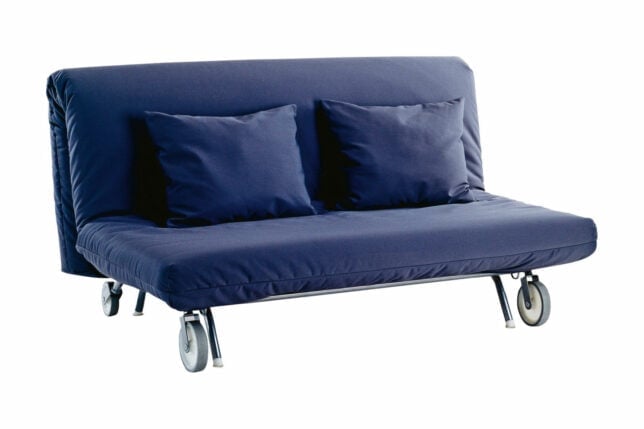
Take a typical IKEA sofa bed: the mechanism may be clever, the overall look modern, and the price appealing. But the tubular steel frames and thin support slats can feel less stable than a solid-wood structure. Mattresses in these sofa beds are often relatively thin and made from basic foam or synthetic latex blends. They may feel fine the first few nights but can start to compress or develop soft spots when used as a primary bed.
If you plan to sleep on a convertible piece every night, these compromises matter. A sofa bed that is slightly uncomfortable or unsupportive can quickly lead to back pain, poor sleep quality, and the need to replace the furniture sooner than expected. In that case, investing in a purpose-built convertible sofa bed that is designed for daily sleeping can be a better long-term value than buying the cheapest option available.
Materials Matter: Foam, Frames, and Mattresses
Another key difference between budget-friendly IKEA pieces and higher-quality futons or sofa beds is the choice of materials. Many IKEA mattresses and seat cushions are made with standard polyurethane foams. These can provide initial comfort but may break down more quickly under consistent pressure. Over time, you may notice increased sagging in the areas where you sit or sleep most often.
By contrast, premium futon mattresses are often constructed with denser foam layers, cotton batting, or more advanced hybrids that are engineered for longevity and support. When paired with solid-wood hardwood futon frames, they create a sturdier, more resilient sleep surface. This is especially important if you are relying on a futon or sofa bed as your primary bed rather than just a guest option.
If you are sensitive to pressure points or looking for healthier materials, it may also be worth exploring natural mattresses that use wool, cotton, latex, or other more durable and breathable components. While the upfront cost can be higher than a budget foam mattress, the lifespan and comfort can easily make up the difference.
Quality Futons and Sofa Beds as an IKEA Alternative
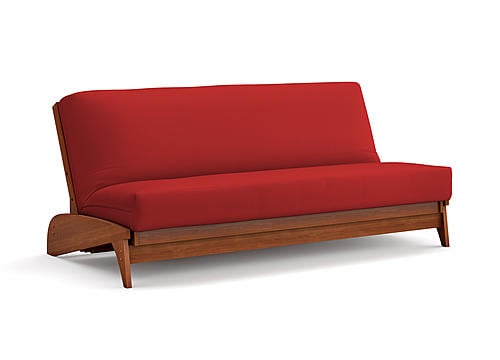
For shoppers who love the idea of multi-functional furniture but want more substance than a basic IKEA sofa bed, high-quality futons and convertible sofas can be an ideal middle ground. A solid-wood frame paired with a well-made mattress offers both the minimalist look and the everyday durability that small spaces demand.
Unlike many budget sleepers, these pieces are designed from the start to function as true beds, not just emergency guest options. The frame is built to handle repeated conversions between sofa and bed, and the mattress is thick and supportive enough for nightly use. If you prefer a clean, modern look, you can choose streamlined designs that complement contemporary interiors without the bulk of traditional sleeper sofas.
Futon sets that combine a sturdy frame, a quality mattress, and coordinated covers can be especially practical. With one purchase, you get seating, sleeping, and a cohesive design for your room. Explore curated futon sets and packages if you want a simple, all-in-one solution that is built to last longer than a typical budget sofa bed.
When IKEA Makes Sense—and When to Look Elsewhere
None of this means that IKEA should be avoided entirely. For many homes, IKEA is perfect for certain categories: inexpensive shelving, small side tables, simple desks, or decorative pieces that do not have to withstand heavy daily use. If you are furnishing a first apartment or a short-term rental and need to keep costs low, IKEA can be a practical starting point.
The key is to be strategic. For furniture that directly affects your comfort and health—like the place where you sleep every night—it often makes sense to invest more. This is where a well-built futon, convertible sofa, or traditional sofa paired with a quality mattress can dramatically outperform a budget piece in both comfort and lifespan.
Finding Long-Lasting Living Room Furniture
Before you commit to an IKEA sofa or sofa bed, take a moment to think about how often it will be used, how long you want it to last, and how important comfort is to you. If the answer is “every day” and “for years,” exploring alternatives is a smart move. Look at dedicated living room furniture collections that focus on solid construction, better cushioning, and higher-quality fabrics.
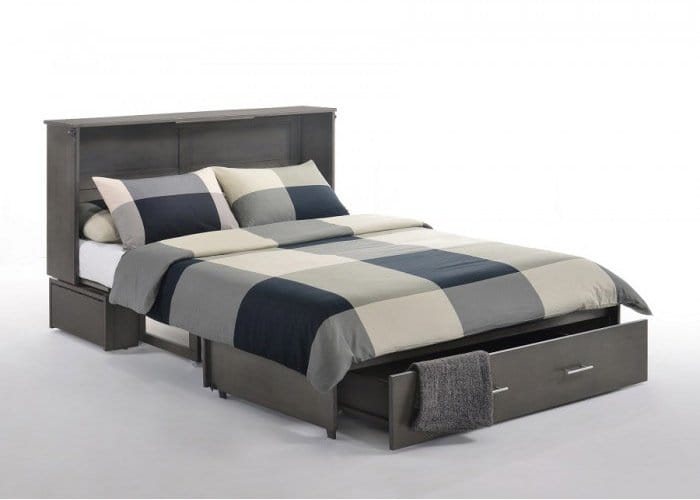
Convertible pieces are also worth a closer look. A purpose-built convertible sofa bed designed for nightly sleeping will usually offer more support and durability than an entry-level sleeper. And if you like the flexibility of a futon, you can pair a strong frame with the right mattress and upgrade your sleep surface just as you would with a conventional bed.
In the end, IKEA’s modern designs and low prices can be attractive, but true value comes from furniture that stays comfortable, supportive, and functional over time. With careful comparison—and a willingness to look beyond the most obvious budget options—you can find pieces that respect your budget while still delivering the comfort and longevity you expect from your home.