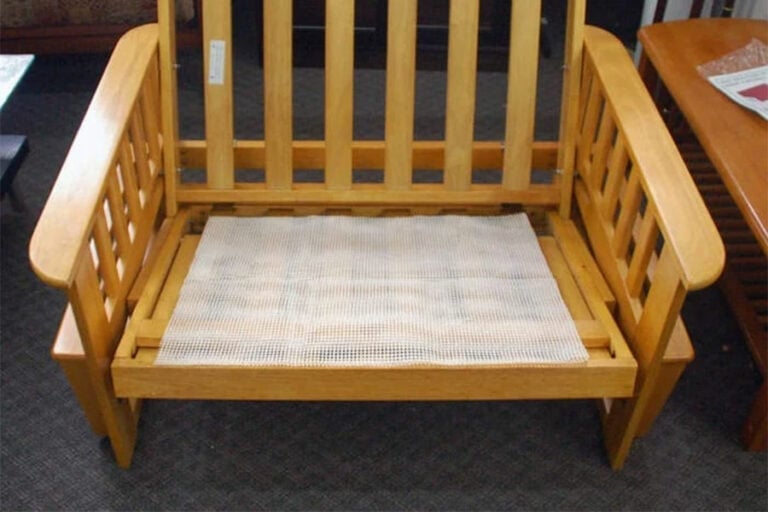

How to Shop for a Futon Cover: A Comprehensive Guide
A futon cover is one of the easiest ways to protect your futon mattress and completely change the look of your room. It keeps the mattress clean, helps it last longer, and lets you refresh your style without replacing the whole futon bed. This guide walks through how to shop for a futon cover, from sizing and materials to style choices and care.
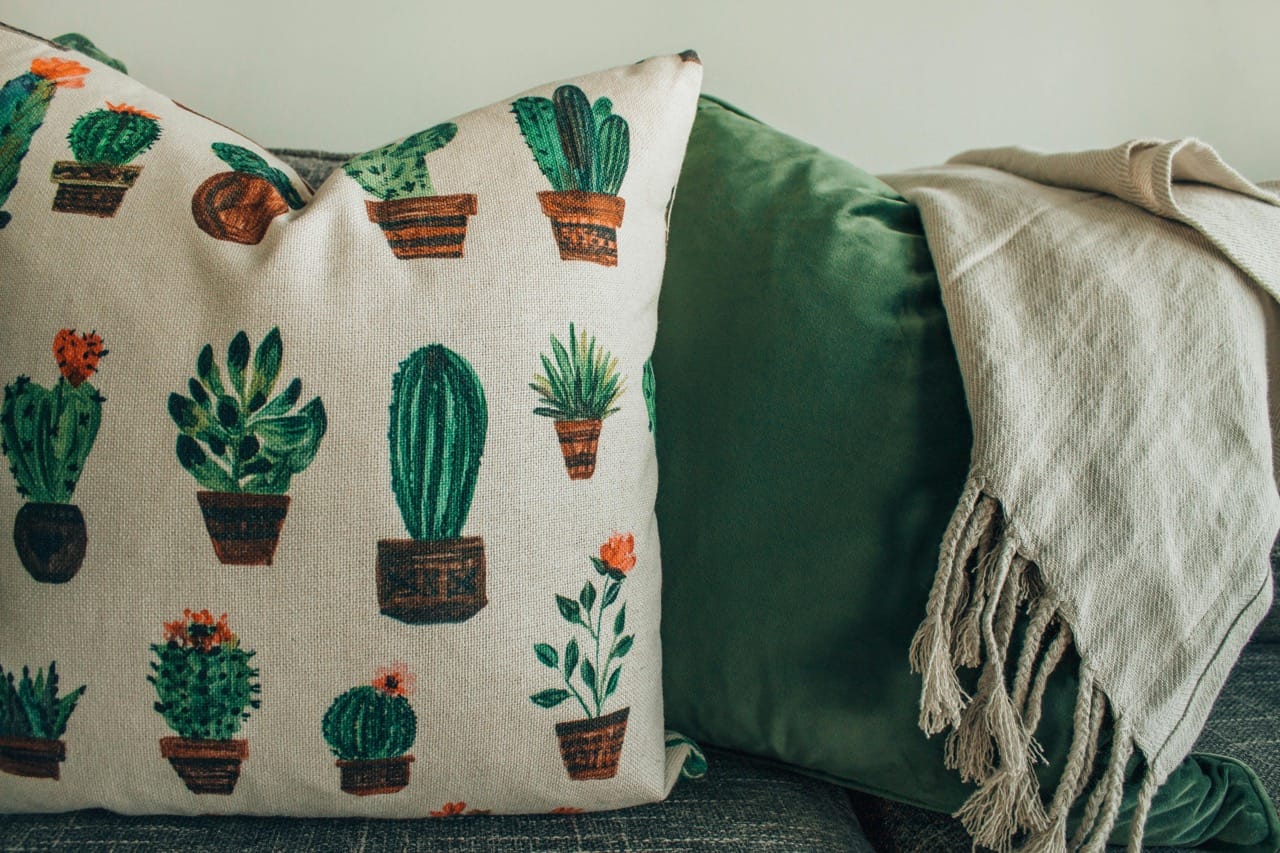
Why a Futon Cover Matters
People often buy a futon and forget the cover, even though the mattress is a major investment. A well-fitted cover is the simplest way to protect that investment and improve everyday comfort.
Protecting your investment. A cover creates a barrier between the mattress and daily life: drinks, snacks, pets, and kids. Spills stay on the cover instead of soaking into the cotton and foam. If something happens, you remove the cover and wash or clean it instead of replacing the entire mattress.
Hygiene and allergens. Because the cover is removable, you can wash away dust, body oils, and allergens that naturally collect on any upholstered surface. For allergy-sensitive households, a washable futon cover helps keep dust mites and irritants out of the mattress itself.
Style and mood. A futon can be a neutral base or a statement piece. With the right cover, you can match wall color, rugs, and artwork instead of living with a random solid black or beige mattress. Swapping covers seasonally lets you go brighter in summer, richer and cozier in winter, without buying new furniture.
Versatility over time. If you move the futon from a living room to a guest room or home office, a new cover lets it blend with the new space. One mattress can look completely different with a solid twill, a textured chenille, or a playful print.
Step 1: Determine Size and Compatibility
The first step is making sure the cover will actually fit your mattress.
Measure your futon mattress. Measure length, width, and thickness:
- Common sizes: Cot, Chair, Twin, Full, Queen, King, plus loveseat and ottoman sizes.
- Standard futon mattresses are usually 6–8 inches thick; this is often called the mattress loft.
Most standard covers are designed to fit a 6″–8″ mattress. If your futon is thinner or thicker, look for loft options in the product dropdown or choose a custom size. For detailed measurements, you can refer to the futon sizing charts before you order.
Typical cover sizes include:
- Cot (30″ x 75″)
- Chair (28″ x 54″), Ottoman (21″ x 28″)
- Twin (39″ x 75″), Twin Split, Twin Ottoman
- Full (54″ x 75″), Loveseat (54″ x 54″), Loveseat Ottoman (54″ x 21″)
- Queen (60″ x 80″), King (78″ x 80″)
If you have an unusual size, split futon, or custom platform setup, many covers can be made to order so you still get a snug, tailored fit.
The Three Essential Futon Measurements
Before you grab your tape measure, strip any existing covers or bedding off the mattress. For the most accurate results, you’ll want to measure a mattress that isn’t old and overly compressed.
- Length: Measure the mattress from head to foot along its longest side. A standard twin futon mattress is typically 75 inches long.
- Width: Measure from side to side at the mattress’s widest point. For a twin size, this measurement is usually 39 inches.
- Thickness (Loft): This is the most critical measurement. Measure the height of the mattress from the bottom seam to the top seam. Don’t press down on the top; you want the full, uncompressed height. Most standard futon mattresses have a loft of 6 to 8 inches.
Getting the loft measurement correct is the difference between a cover that looks professionally upholstered and one that looks like a struggle. A cover designed for an 8-inch loft will be baggy on a 6-inch mattress.
Once you have these numbers, you can order with confidence. For extra assurance, you can compare your dimensions with our standard sizing charts to see how your mattress lines up with common industry sizes.
To help you out, here’s a quick reference for the most common futon sizes you’ll find.
Common Futon Mattress Sizes and Cover Dimensions
| Futon Size | Typical Length (inches) | Typical Width (inches) | Common Thickness (inches) |
|---|---|---|---|
| Twin | 75 | 39 | 6-8 |
| Twin XL | 80 | 39 | 6-8 |
| Full | 75 | 54 | 6-8 |
| Queen | 80 | 60 | 6-8 |
| King | 80 | 76 | 8-10 |
This chart should give you a good baseline, but always trust your own tape measure over standard numbers.
Why Thickness (Loft) Is the Make-or-Break Detail
Many full futon mattresses are in the 6–8 inch range, but you’ll also see slimmer or thicker models. If your loft is outside the typical range, a standard cover may fit poorly (too tight to zip, or baggy and loose). Loft is especially important if you’re considering a custom cover.
For a quick reference while you shop, our sizing charts can help you compare common dimensions.
Step 2: Choose the Right Fabric
The fabric you choose determines how the cover feels, how it wears, and how easy it is to care for. Most futon covers fall into a few main groups.
Cotton and Cotton Blends
All-cotton covers. Cotton covers are breathable, comfortable, and feel natural to the touch. They work well in most climates, stay cool against the skin, and are usually easy to wash. If you like a relaxed, casual look, cotton is a classic choice.
Cotton–poly blends. A cotton–polyester blend combines the softness of cotton with the wrinkle resistance and durability of polyester. These covers tend to drape nicely, resist shrinking, and hold color well. Twill blends, woven with a diagonal ribbed pattern, have a slightly more structured, upholstery-style look that works nicely on a living-room futon cover.
Microfiber & Performance Fabrics
Microfiber covers. Microfiber is a synthetic fabric (usually polyester, sometimes with nylon) that is tightly woven, soft, and very practical day to day. It is:
- More resistant to stains than many natural fabrics
- Easy to wipe or spot clean with a damp cloth
- Pet-friendly, because claws don’t scratch it as easily as leather
A microfiber futon cover is a strong choice for busy households, small apartments, or kids’ rooms where the futon does double duty as a sofa and a bed.
Chenille and Textured Fabrics
Chenille covers. Chenille is a type of yarn and weave that creates a plush, soft, “caterpillar” texture. It can be woven from cotton, rayon, acrylic, or blends. Chenille futon covers feel cozy and luxurious—great for creating a warm, layered look in fall and winter.
Because of the pile, chenille often needs more delicate care (usually dry cleaning rather than machine washing). It’s ideal when you want a rich, textured sofa look and are willing to be a bit more careful with cleaning.
Faux Leather & Vinyl
Faux leather or vinyl covers. If you like a sleek, modern look, faux leather can give your futon the feel of a contemporary sofa. These covers are:
- Easy to wipe clean
- Resistant to spills and crumbs
- Good for high-traffic living rooms or home offices
They don’t have the breathability of cotton, but they shine in spaces where durability and a polished look are more important than a soft, textile texture.
Step 3: Style & Design
Your futon cover is a large visual element in the room, so it’s worth treating it like any other upholstery choice.
Color and pattern. Think about the role you want the futon to play:
- Neutral solids work well when the futon is a backdrop to colorful pillows and artwork.
- Rich textures (twill, chenille, sueded microfiber) add depth in small spaces without overwhelming them.
- Prints and patterns can turn the futon into a focal point and hide small stains better than flat solids.
Seasonal or mood changes. One advantage of removable futon covers is that you can own more than one. A bright, airy cotton cover for summertime and a darker chenille or twill cover for cooler months can make the room feel fresh without buying a new sofa.
Samples and swatches. If you’re unsure about color or texture, ordering small fabric swatches first lets you see how the cover will look with your paint, floors, and existing furniture, especially in different lighting throughout the day.
Step 4: Construction, Fit, and Features
Not all covers are sewn the same way. Details in construction make a big difference in how easy the cover is to use and how polished it looks on the frame.
Three-sided zipper. A true three-sided zipper closure makes it much easier to get the mattress into the cover and align the corners. You lay the cover open, place the mattress, then zip, rather than wrestling the mattress into a big pillowcase opening.
Fabric all around. Higher-quality covers use full-face fabric on every side (front, back, and gussets), so the futon looks finished from every angle—even if you flip it or use it on a bifold futon frame in bed position.
Loft (thickness) options. Standard futon covers typically fit a 6″–8″ mattress. If your mattress is thinner or thicker, look for a loft selection option; choosing the correct loft ensures the cover isn’t baggy or overly tight.
Piping. Piping (or welt) is a narrow trim sewn along the seams of the cover. It can match the fabric for a tailored look or contrast for a more decorative, furniture-grade finish. Piping helps visually define the shape of the futon and adds a subtle custom detail.
Inlay (two-fabric covers). Some covers use one fabric on the top and a coordinating solid on the underside (inlay). This can:
- Lower the cost if the top fabric is an expensive pattern
- Give you a “backup” side to flip to if you need to hide a stain quickly
Installing a Cover the Easy Way: The “Taco Method”
- Lay the cover flat on the floor, fully unzipped, inside facing up.
- Fold the mattress lengthwise (like a taco) and place it onto one half of the cover.
- Unfold it inside the cover, pull the remaining fabric over, then zip closed.
Before you fully zip, pull the mattress corners into place so the cover seams line up neatly with the mattress edges.
Step 5: Maintenance & Care
Think honestly about how you live: Do you eat on the futon? Do you have pets? Do guests use it often as a bed?
Machine-washable covers. Many cotton, cotton-blend, and some microfiber futon covers can be machine washed. This is ideal for family rooms, kids’ rooms, or studio apartments where the futon is used constantly. Always follow the specific care instructions, especially for temperature and drying.
Dry-clean covers. Chenille, certain woven blends, and more delicate fabrics often require dry cleaning. They’re a better match for spaces where the futon is more sofa than snack zone and where you want a richer, more upholstered look.
Allergens and air quality. If allergies are a concern, choose a tightly woven, washable cover and clean it regularly. This keeps dust, pollen, and pet dander on the removable layer instead of embedded in the mattress.
Drying and Preventing Shrinkage
How you dry your cover is just as important as how you wash it. High heat is the number one enemy of fabrics and the main cause of shrinkage.
To keep your cover fitting perfectly, you can either tumble dry it on a low or no-heat setting, or let it air-dry away from direct sunlight for the best results. This preserves the integrity of the fabric and keeps it looking new.
Finally, even the cleanest cover can’t solve a sliding mattress problem. If you find your futon is constantly slipping out of place, our guide on futon non-slip strips and grip pads can show you how to lock everything down securely.
Step 6: Budget and Value
Covers range from simple, budget-friendly solids to premium textured and patterned fabrics. When setting your budget, remember you’re protecting the much more expensive mattress underneath.
- If you’re furnishing a first apartment or dorm, a basic cotton or microfiber cover can be an affordable upgrade over a bare mattress.
- If your futon is your primary sofa and guest bed, investing in a thicker, upholstery-grade fabric with a three-sided zipper and piping will usually wear better and look more like a traditional sofa.
At Futonland, covers are handmade in Brooklyn in more than 170 styles for Twin, Full, and Queen futons, with custom sizes available on request. Matching accent pillows make it easy to finish the whole look in one order.
Don’t Forget About Slippage
Even the best cover can’t fix a mattress that constantly slides down the frame. If your futon tends to creep forward, pair your new cover with a non-slip accessory such as a grip pad or strip. You can see compatible options in the non-slip pads and grip strips collection.
Common Questions About Futon Covers
Can I Just Use a Regular Twin Sheet on My Futon?
You can, but it’s really just a temporary fix at best. A real futon cover is a whole different animal—it’s made from durable, furniture-grade fabric and completely encases the mattress with a tough, three-sided zipper. This gives it way better protection from daily wear and tear, stands up to the friction of people sitting on it, and creates a clean, upholstered look that a simple sheet just can’t match.
Think of a futon cover as a custom-fit jacket for your mattress, offering complete protection and a polished style. A sheet, in comparison, is like a loose poncho—it offers minimal coverage and a sloppy appearance.
What Is the Difference Between a Futon Cover and a Slipcover?
This is a common point of confusion, and it’s easy to see why. A futon cover is specifically tailored to fit just the mattress, working like a zippered duvet cover to give it a snug, protected fit.
A slipcover, on the other hand, is designed to drape over an entire piece of furniture—frame, arms, and all. For your futon mattress, what you need is a dedicated futon cover.
What If My “Full” Futon Isn’t 54 x 75?
That’s common. If your measurements don’t match standard sizing (or your mattress is unusually thick), a custom fit is the best way to avoid tight corners, stressed seams, and zipper issues.
What Is the Best Fabric If I Have Pets?
Microfiber and durable twill-style weaves are usually the most forgiving: easier hair removal, strong abrasion resistance, and simpler spot cleaning.
Bringing It All Together
Shopping for a futon cover comes down to a few key decisions: size and loft, fabric type, style, construction details, care, and budget. When you choose a well-made cover that fits your mattress, works with your lifestyle, and matches your decor, you protect your futon mattress, extend its life, and make your futon feel like a true piece of furniture—not an afterthought. A single cover can transform the look of your room; a small collection of covers can carry that futon through years of changing spaces, seasons, and styles.